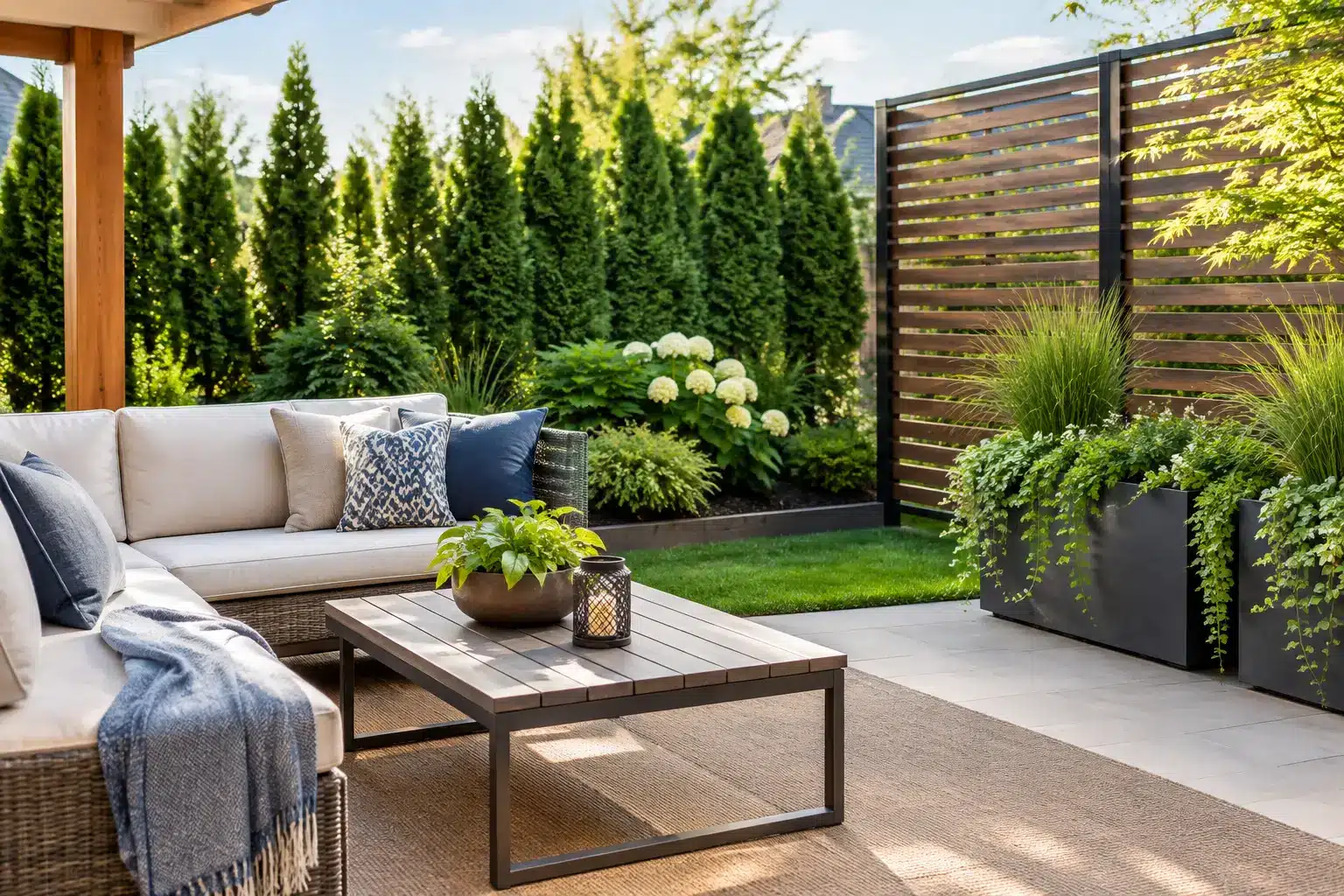
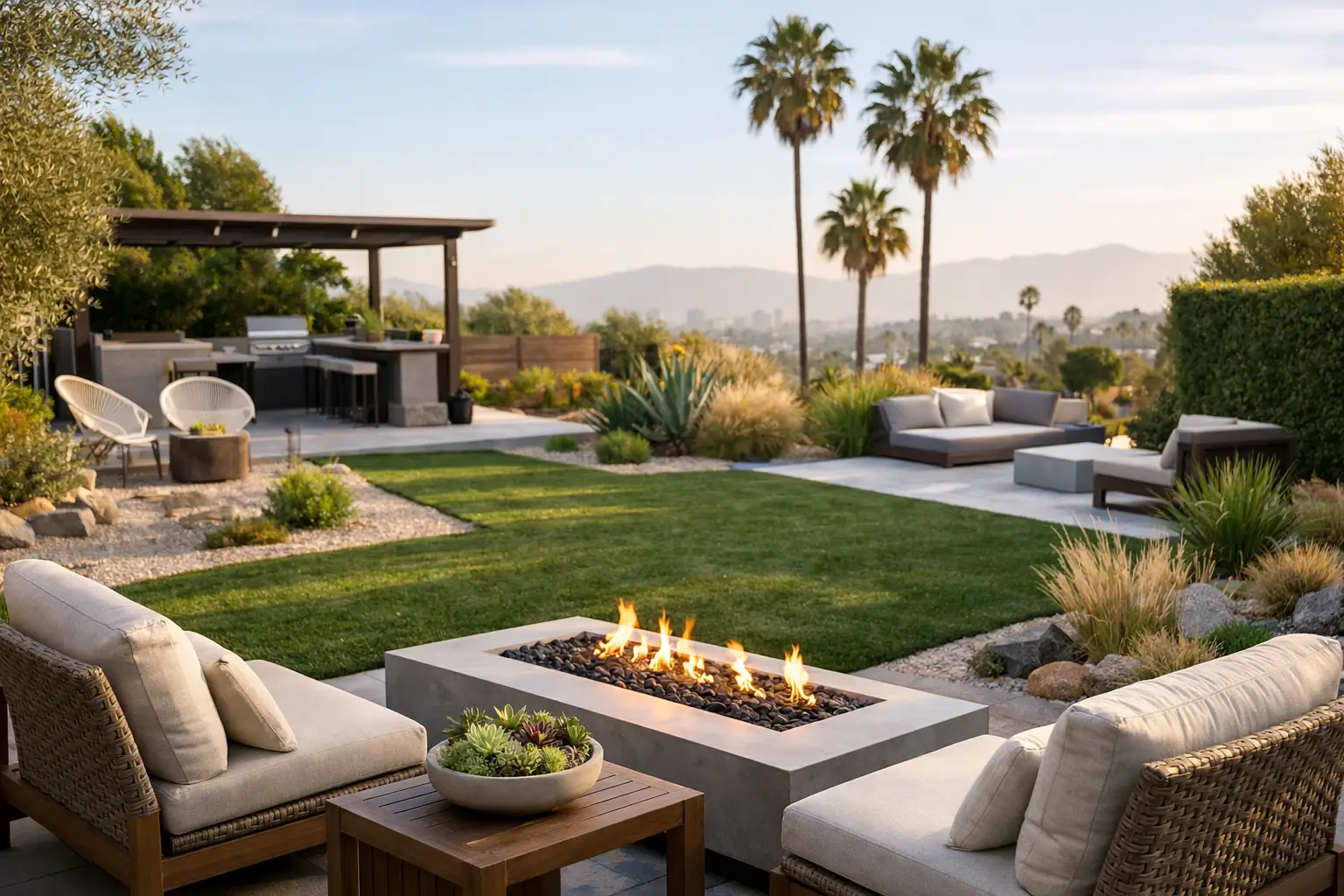
A Los Angeles backyard should not become a second full-time job. The best low-maintenance backyard ideas for Los Angeles homes account for long dry stretches, intense sun, water costs, hillside drainage, and the way homeowners actually use the space. The goal is not a bare yard. It is an outdoor setting that looks finished, functions well year-round, and needs far less weekly attention.
A thoughtful backyard renovation starts with the hard decisions: where people will gather, where water will go during winter storms, which materials can handle heat, and what landscaping will still look intentional after a busy month. When those fundamentals are handled correctly, maintenance becomes simpler instead of becoming a recurring source of expense.
Start With a Clear Outdoor Living Plan
Low maintenance begins with reducing unnecessary features, not reducing quality. Before selecting plants or pavers, decide how the yard needs to work. A family that entertains on weekends may benefit most from a generous dining patio, built-in seating, and a compact lawn alternative. A homeowner with a view lot may prioritize open sightlines, subtle lighting, and durable terraces that do not compete with the landscape.
Keep circulation direct. A well-placed path from the kitchen to the dining area, grill, pool, or detached garage prevents worn planting beds and awkward shortcuts across the yard. Group utility-heavy features together when possible. Locating an outdoor kitchen, bar, and dining area near existing plumbing and electrical service can reduce construction complexity and make future repairs easier.
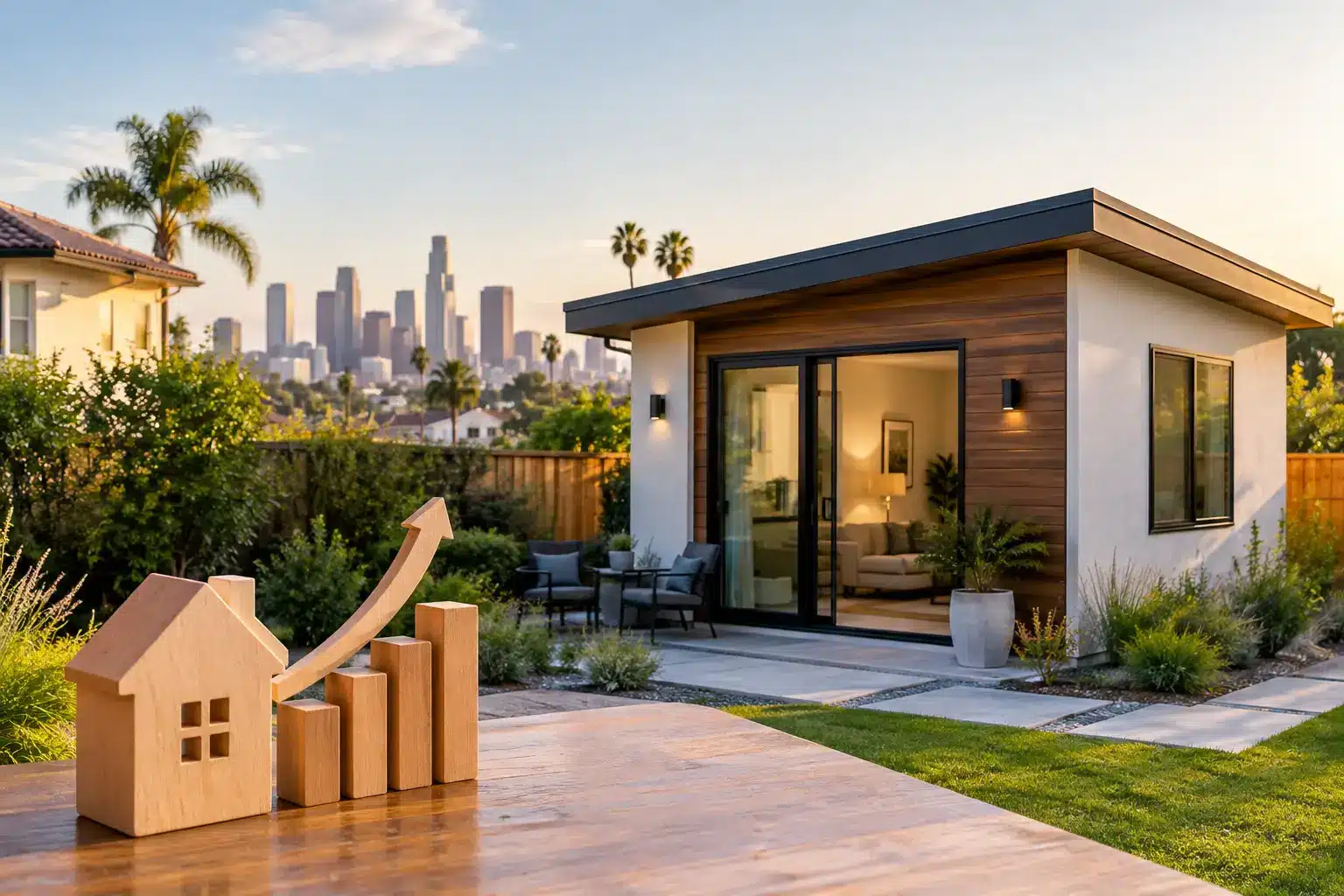
For larger property transformations, a professional site plan can identify grading concerns, setbacks, drainage paths, and utility requirements before construction begins. This is especially valuable in hillside neighborhoods, coastal areas, and homes where the backyard renovation is tied to an ADU, pool, retaining wall, or garage conversion.
Choose Hardscape That Handles Sun and Use
Hardscape usually defines both the appearance and the maintenance demands of a backyard. The right material depends on the home’s architecture, site conditions, and budget, but durability should lead the decision.
Porcelain pavers are a strong option for contemporary Los Angeles properties because they resist fading, are easy to clean, and offer a refined finish with minimal upkeep. Quality concrete can be equally effective, whether finished with a smooth modern surface, a sandblasted texture, or large-format scoring. Concrete is practical for expansive patios, although it needs properly designed control joints and a capable installation to manage cracking over time.
Natural stone brings depth and premium character, particularly around pools and outdoor entertaining areas. It does require sealing and periodic care, and some stones absorb stains more easily than others. For homeowners who want the look of wood without routine sanding, staining, or termite concerns, high-quality composite decking can make sense. It is not maintenance-free, but regular rinsing is far less demanding than maintaining traditional wood.
Avoid choosing surfaces on appearance alone. Dark paving can become uncomfortably hot in direct afternoon sun. Highly polished materials may be slippery near pools. In fire-prone areas, material selection should also support defensible-space planning. A contractor should evaluate these conditions before materials are ordered, not after installation is underway.
Replace High-Water Lawn With Purposeful Planting
Traditional turf often consumes the most water and labor in a Southern California backyard. Replacing all or part of it with drought-tolerant planting, gravel gardens, decomposed granite, or permeable paving can dramatically reduce mowing, fertilizing, and irrigation demands.
The strongest drought-conscious landscapes do not look sparse. They use layers of texture, color, and scale. California natives and Mediterranean-climate plants can provide structure with less water once established. Olive trees, agave, kangaroo paw, westringia, lavender, California lilac, manzanita, and ornamental grasses are often used for their resilience and visual interest. Plant choices should be tailored to sun exposure, soil conditions, pets, and the desired level of privacy.
Use fewer species in larger groupings rather than scattering one of everything across the yard. This creates a cleaner design and makes irrigation zones easier to manage. Mulch or decorative gravel around planting areas helps retain moisture, suppress weeds, and gives the space a more completed look.
Artificial turf can be useful in select areas, such as a small play zone or a narrow side yard where natural grass struggles. However, it can hold heat, requires cleaning, and may not be the right choice beside a hot patio or in a large exposed backyard. It works best as one component of the plan, not an automatic replacement for every planted surface.
Install Irrigation You Can Actually Manage
Even low-water landscapes need a reliable irrigation strategy. Drip irrigation delivers water close to plant roots, reducing overspray and helping limit evaporation. Separate zones for trees, shrubs, and lower-water planting allow each area to receive the right amount of water rather than treating the whole yard the same.
A smart controller can adjust schedules based on weather and make seasonal changes easier. Still, technology cannot correct poor installation. Lines should be accessible where practical, pressure should be properly regulated, and heads should never spray onto paving, walls, or neighboring property. Hidden leaks and poorly aimed irrigation are common reasons a supposedly low-maintenance yard becomes costly.
New plantings require more attention during their establishment period. The first year is when a landscape needs observation and adjustment. After roots are established and the irrigation schedule is calibrated, the ongoing workload drops significantly.
Build in Shade, Storage, and Simple Lighting
Comfortable outdoor space gets used more often, which is why shade should be part of the original design. A solid patio cover offers dependable protection and can accommodate recessed lighting, fans, heaters, and electrical connections. Pergolas create a lighter architectural look but provide less protection unless paired with a shade canopy or louvers. The appropriate choice depends on sun direction, local requirements, and how the space will be used.
Built-in storage is another overlooked maintenance tool. A discreet cabinet, bench storage, or designated equipment area keeps cushions, pool accessories, and gardening supplies from collecting along the side of the home. This reduces visual clutter and protects furnishings from sun damage.
For lighting, favor a simple layered plan: path lighting for safe movement, gentle uplighting for key trees or walls, and task lighting at cooking and dining areas. Too many fixtures can make a backyard feel commercial or create glare for neighbors. Quality low-voltage fixtures and accessible transformers are easier to service than an improvised collection of decorative lights.
Treat Drainage as Part of the Design
A clean patio is only low maintenance if it drains correctly. Los Angeles may have long dry periods, but seasonal storms can expose every grading flaw at once. Water should move away from the house and be directed to approved drainage areas without creating erosion, pooling, or runoff issues.
Depending on the site, the solution may include subtle surface slopes, channel drains, catch basins, permeable materials, dry wells, or retaining improvements. On a sloped lot, drainage and retaining work must be coordinated with the landscape plan from the beginning. Adding drains after a finished patio and planting scheme are in place is more disruptive and more expensive.
Know When Backyard Work Requires Permits
Some improvements are straightforward, while others require plans, permits, and city review. Structural patio covers, retaining walls, new electrical circuits, gas lines, plumbing, pools, major grading, and certain accessory structures can trigger permitting requirements. Requirements also vary by property conditions and location.
This is where an end-to-end design-build team adds real value. Rather than treating design, approvals, construction, and finish work as disconnected tasks, Precise Building & Restoration coordinates the process so critical details are addressed before crews arrive on site. Clear planning helps protect the budget, the schedule, and the final appearance of the yard.
A low-maintenance backyard is not defined by how little it contains. It is defined by how well every element earns its place – from a properly sloped patio to plants that suit the climate and lighting that makes the space inviting after sunset. If you are planning a backyard transformation in Los Angeles, call Precise Building & Restoration at 310-606-2222 to discuss a practical, polished plan built for your property and lifestyle.