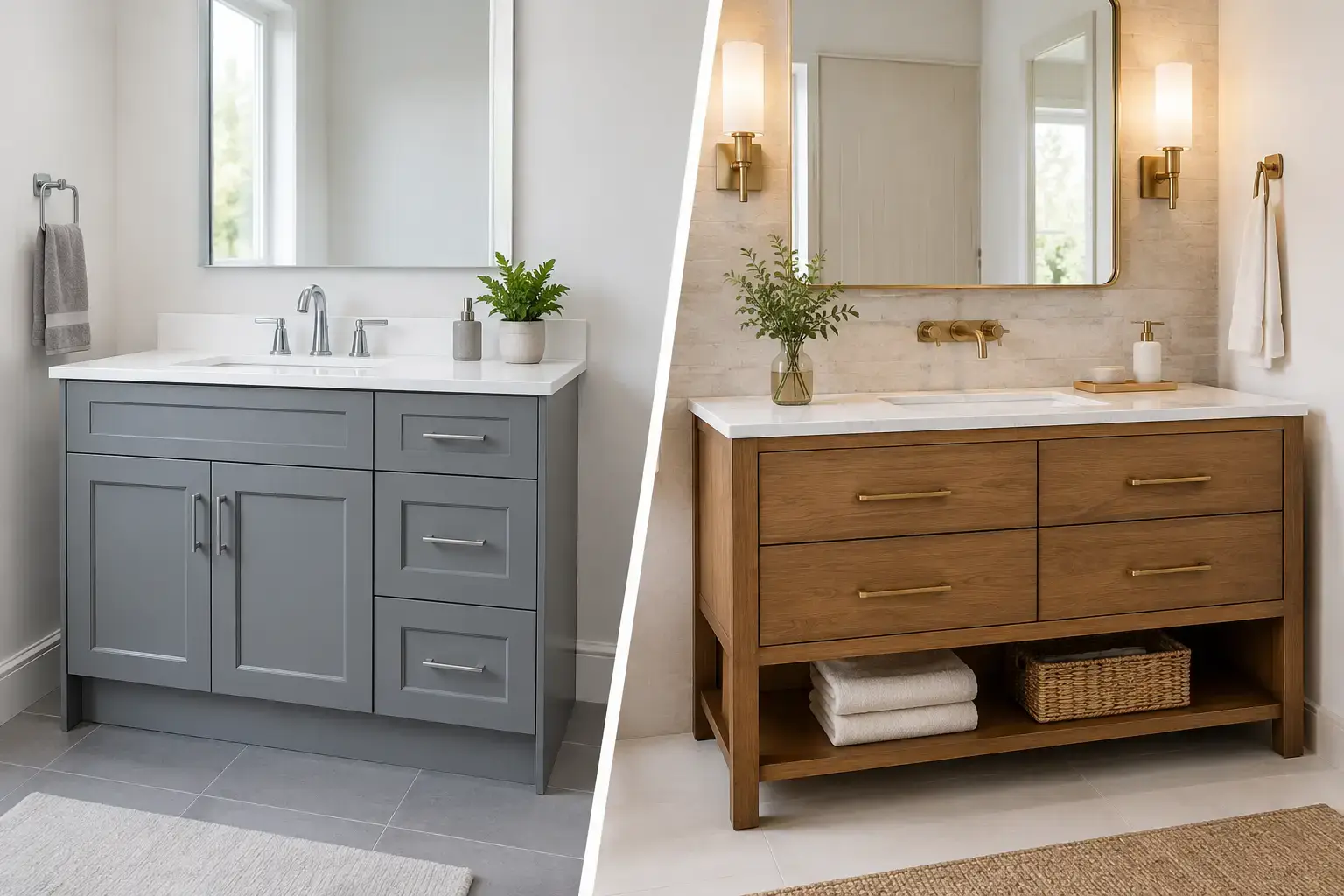
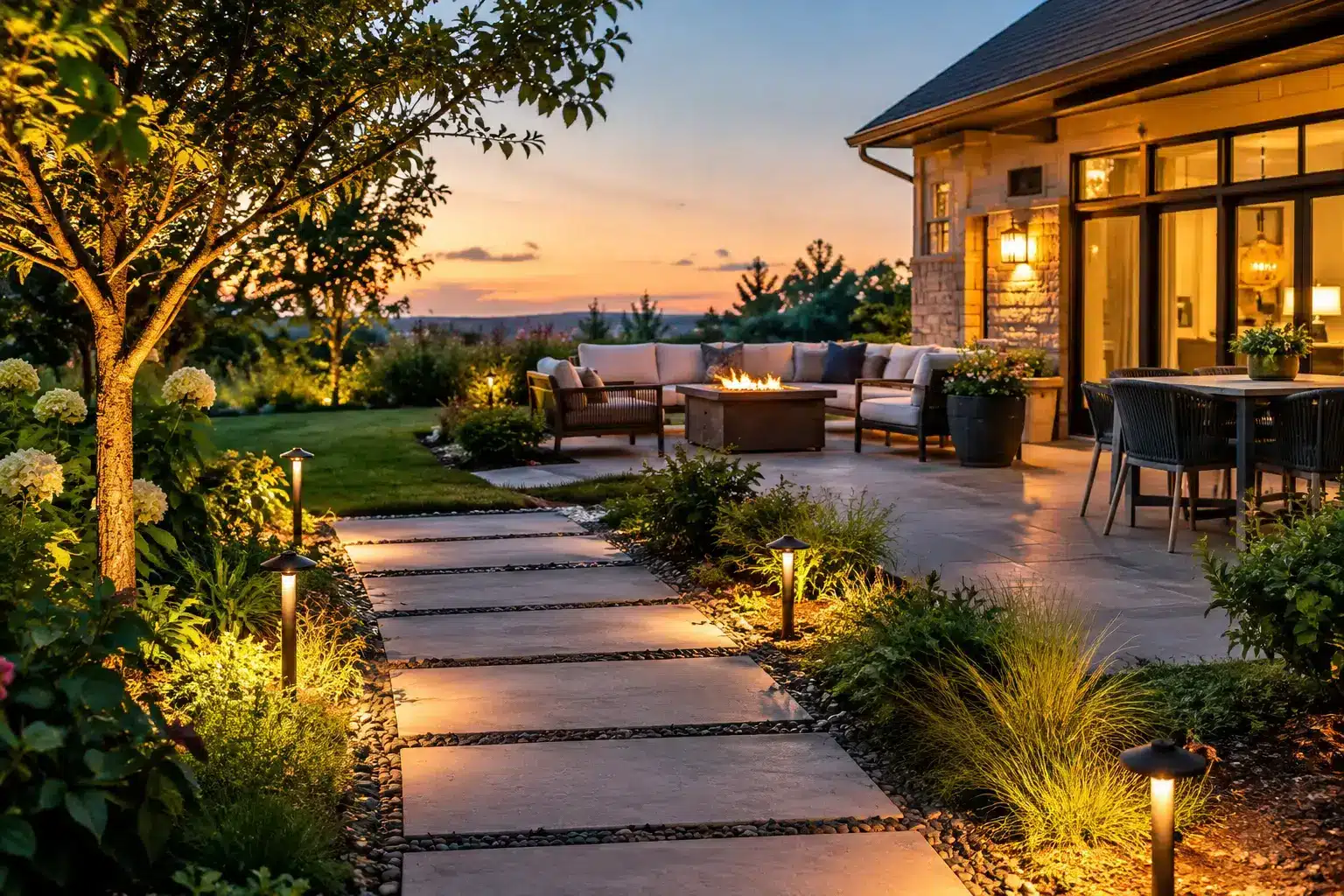
A beautiful backyard can lose its usefulness the moment the sun goes down if the lighting plan was treated as an afterthought. The best approach to how to design outdoor lighting for safety, entertaining, and curb appeal is not adding a few bright fixtures at the end of a renovation. It is planning light in layers, around the way your household arrives home, moves through the property, hosts guests, and enjoys outdoor space after dark.
For Los Angeles homeowners, outdoor lighting also has to work with architecture, landscaping, dry-climate planting, coastal conditions in some neighborhoods, and the realities of exterior electrical work. A well-designed plan makes entries safer, outdoor living areas more inviting, and the home more polished from the street without turning the property into a glare-filled flood zone.
Start With How the Property Works After Dark
Walk the property at night before selecting fixtures. Begin at the curb, move to the front door, follow the side yard and driveway, then continue through the patio, pool area, garden paths, and rear access points. Notice where shadows make a step, grade change, gate latch, or door hard to see. Also identify the areas where people naturally gather.
This walkthrough separates necessary lighting from decorative lighting. The front walk, entry, stairs, driveway edge, and any route from the garage or ADU to the main home should be easy to navigate. A dining terrace, lounge area, outdoor kitchen, and pool deck need softer, more controlled light that lets people see one another comfortably.
Think in zones rather than trying to illuminate the entire yard evenly. A strong plan gives each zone a job: arrival, circulation, entertaining, security, or architectural emphasis. That distinction prevents the common mistake of installing one oversized fixture to solve several different needs poorly.
Layer Light Instead of Relying on Floodlights
Outdoor lighting works best when several modest sources overlap. The goal is visibility and atmosphere, not maximum brightness. In most residential settings, a layered scheme includes ambient light for general visibility, task light for activities such as cooking and entering the home, and accent light for landscaping or architectural details.
At the front entry, a pair of appropriately scaled wall sconces can frame the door and provide welcoming light. If the entry is covered, a ceiling-mounted fixture may supplement the sconces. The address number should be visible from the street, but avoid placing a bright fixture directly behind it, which can make the numbers harder to read.
Along walkways, low path lights or carefully aimed downlights can define the route. Path lights should guide movement, not create a runway. Space them according to the fixture output, path width, and planting layout rather than placing one every few feet by default. Slightly staggered placement often creates a more natural result and reduces repetitive glare.
For patios and covered outdoor rooms, recessed ceiling lights, wall sconces, and subtle overhead pendants each have a place. Recessed fixtures are clean and practical, particularly over a seating area or outdoor kitchen. However, too many can make a patio feel like an interior room with the ceiling lights left fully on. Pair them with dimmers and warmer decorative fixtures for a more relaxed setting.
Design Outdoor Lighting for Safety Without Making It Harsh
Safety lighting should make changes in elevation, entrances, and travel routes clear. It does not need to be glaring. Bright, unshielded fixtures can create deep shadows beyond the illuminated area, reduce night vision, and make a property feel less comfortable for both residents and neighbors.
Prioritize stairs first. Each tread and landing should be easy to read from above and below. Step lights built into risers, walls, or adjacent hardscape can be effective when they are shielded and aimed downward. Handrail lighting is another elegant option for contemporary landscapes, but it needs careful detailing during construction so wiring and fixtures remain protected and accessible.
Driveways need a different strategy. Light the transition from street to driveway, the route to the entry, and any turning area where pedestrians may cross. Bollards, downlights mounted from trees or structures, and low-glare wall fixtures can provide guidance. Avoid aiming a fixture directly toward drivers or neighbors’ windows.
Motion sensors have a role, especially at side gates, service areas, and secondary doors. They are less appealing as the primary source of light at a front entry or entertaining area, where unexpected activation can feel abrupt. A better approach is using motion sensors for security-oriented zones while placing arrival and living areas on timers, photocells, or smart controls.
Build an Entertaining Plan Around Comfort and Flexibility
Outdoor entertaining requires less light than many homeowners expect. Guests need enough illumination to walk safely, find a drink, and see food on a plate. They do not need stadium-level brightness across the entire yard.
At an outdoor kitchen, use focused task lighting over counters, grills, and sinks. Fixtures should be positioned so the cook is not casting a shadow over the work surface. Under-counter lighting can add a refined glow around an island while keeping the main source out of guests’ eyes.
Dining areas benefit from a dimmable pendant, chandelier rated for exterior use, or a series of well-secured string lights where the architecture supports them. String lights can be charming, but they should not be the only lighting source or be loosely attached to trees, fences, and rooflines. They need durable mounting, appropriate exterior-rated components, and a clean wire-routing plan.
For lounge areas, indirect light is usually more flattering and restful. Consider shielded sconces, low landscape lighting around planting beds, or downlighting from a pergola. A fire feature may contribute ambiance, but it should not be counted on as functional light for steps, routes, or cooking areas.
Dimmers are essential in multipurpose spaces. The same patio may serve as a family dinner area on Tuesday, a larger gathering on Saturday, and a quiet outdoor retreat later that evening. Separate lighting zones let homeowners adjust the mood without sacrificing safe passage through the yard.
Use Curb Appeal Lighting to Reveal, Not Overwhelm
The most successful front-yard lighting makes a home look considered from the street while preserving the character of the architecture. It highlights texture, depth, and key features instead of washing the entire facade in light.
Uplighting can be effective on mature trees, tall palms, textured walls, columns, or a distinctive facade element. It should be used selectively. Too many uplights create visual clutter and can make a carefully designed landscape look theatrical. Downlighting from eaves, trees, or architectural overhangs often produces a softer, more natural effect on paths and planting below.
Choose fixture finishes and forms that relate to the home. A contemporary residence may suit slim black cylinders or recessed linear details, while a Spanish, traditional, or transitional property may call for more substantial lantern-style fixtures. The goal is coordination, not strict matching. Exterior hardware, gates, house numbers, and light fixtures should feel like they belong to the same design language.
Warm color temperatures are usually the most inviting choice for residential exteriors. Light around 2700K often complements stucco, wood, stone, and landscaping better than cool blue-white lighting. The right temperature can vary with the home’s materials and desired style, but consistency across fixtures matters more than chasing a single number.
Plan the Electrical Work Before Finishes Go In
Good lighting depends on infrastructure that homeowners rarely see. Wiring routes, transformer locations, junction boxes, switch locations, drainage, and access for future maintenance should be planned before concrete, pavers, plaster, and finished landscaping are complete.
Low-voltage landscape lighting is a flexible choice for many paths, planting beds, and accent applications. Line-voltage fixtures may be appropriate for larger architectural fixtures, patio ceilings, gates, and certain security needs. The right system depends on fixture loads, distances, local code requirements, and the scope of the overall project.
Do not overlook controls. A lighting plan is more useful when the front entry, backyard entertaining area, landscape accents, and security zones can operate independently. Smart controls can be convenient, but they should not replace clear wall controls and reliable scheduling. A homeowner should be able to turn on a safe path to the door without opening an app.
Exterior electrical work should be coordinated by qualified professionals and completed with the appropriate permits and inspections when required. This is particularly important during a full-home renovation, backyard transformation, garage conversion, or ADU project, when lighting, utilities, drainage, hardscape, and planting must work together rather than compete for the same space.
Make Maintenance Part of the Design Decision
Outdoor fixtures face sun exposure, irrigation overspray, dust, salt air near the coast, and regular use. Premium materials and properly rated fixtures cost more upfront, but they often hold their finish and function better over time. Brass, copper, powder-coated aluminum, and high-quality stainless steel can each be appropriate, depending on location and maintenance expectations.
Keep fixtures accessible for cleaning, lamp replacement where applicable, and aiming adjustments. Planting also changes. A fixture that beautifully grazes a young olive tree today may be blocked by its canopy in a few years. Periodic adjustments are normal and should be anticipated in the layout.
A polished lighting plan is one of the details that makes a completed property feel genuinely finished. Whether you are renovating a front entry, building a new patio, or transforming the entire backyard, Precise Building and Restoration can coordinate the design and construction details that make exterior lighting perform beautifully after sunset. Call Us Now at 310-606-2222 to discuss your project.