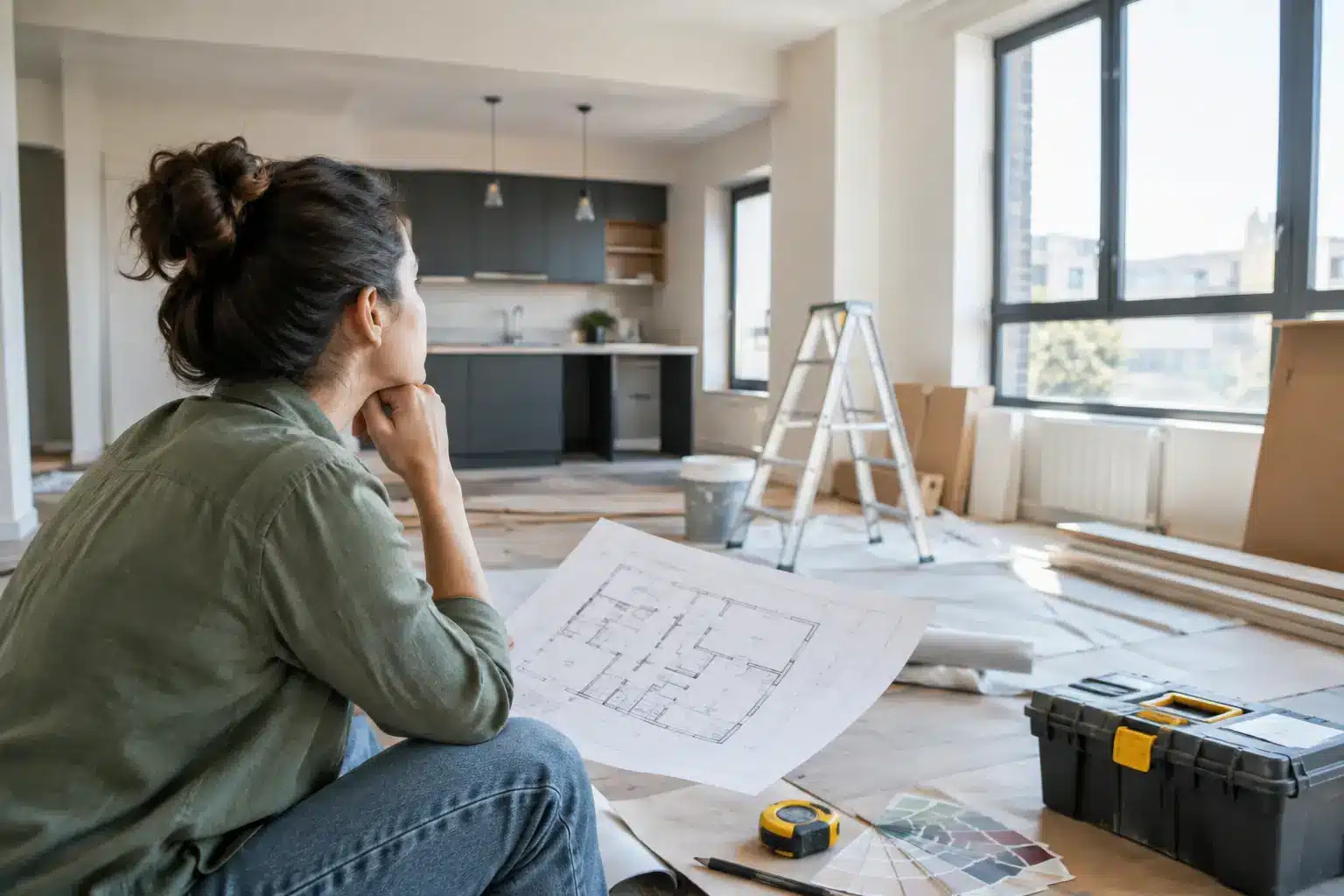
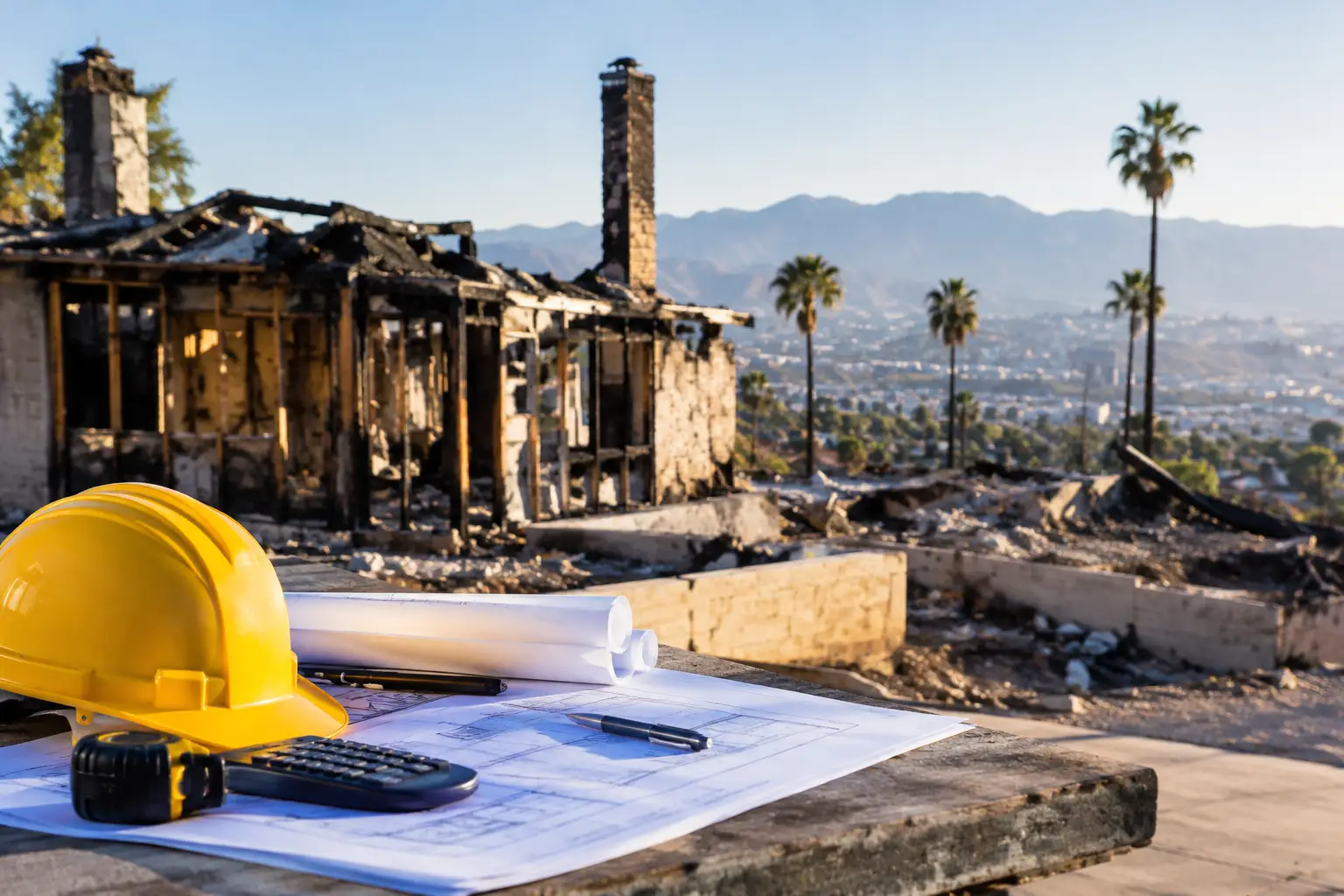
A fire loss changes the conversation from remodeling choices to urgent, high-stakes decisions. Homeowners need to protect the site, document the damage, work through insurance requirements, and make informed decisions about rebuilding before costs begin to move. So, how much does it cost to rebuild a fire-damaged home in Los Angeles? For a true tear-down-and-rebuild project, a realistic starting range is often $300 to $600 or more per square foot, before accounting for unusual site conditions, premium architecture, extensive hardscape, or high-end finishes.
That range can place a 2,000-square-foot home at roughly $600,000 to $1.2 million or more for construction. Homes in areas such as Pacific Palisades, Malibu, Bel Air, Brentwood, and Beverly Hills may exceed that range when the design, engineering, access, finish level, and local requirements call for a more complex build. The right number is not a quick online estimate. It comes from a defined scope, a site review, and a clear understanding of what can be repaired versus what must be rebuilt.
Why fire rebuild costs vary so widely
Two homes with the same square footage can have dramatically different reconstruction budgets. One may have sustained smoke damage limited to interior finishes, while another may require demolition to the foundation, new structural framing, utility replacement, retaining-wall work, and a complete redesign to meet current code.
The first major question is whether the structure is repairable. Fire, heat, smoke, firefighting water, and exposure to the elements can damage framing, sheathing, insulation, electrical systems, plumbing, windows, roofing, and mechanical equipment. A qualified team may recommend selective demolition and restoration when the structure is sound. When the damage is extensive, rebuilding can be the safer and more practical path.
Los Angeles construction pricing also reflects more than labor and materials. Permitting, plan review, engineering, energy compliance, fire-safety requirements, site access, debris removal, utility coordination, and inspection schedules all influence the final investment. In hillside neighborhoods or tight urban lots, logistics alone can add meaningful cost and time.
Typical budget categories for a fire-damaged home rebuild
A responsible rebuild budget separates the home into clear categories rather than relying on one broad number. Construction costs commonly include demolition and debris handling, architectural and engineering plans, permits, foundation and framing work, roofing, windows and exterior doors, plumbing, electrical, HVAC, insulation, drywall, cabinetry, tile, flooring, paint, fixtures, appliances, and final site work.
For many Los Angeles projects, soft costs can represent a substantial portion of the overall budget. These are the expenses outside of direct physical construction: design, structural engineering, soils reports when needed, energy calculations, surveying, permit fees, city reviews, and other professional services. A home that is being rebuilt after a total loss typically must comply with current codes, even if the original home was built decades ago.
Finishes are another major variable. A straightforward, durable rebuild with quality standard materials will price differently from a custom home with wide-plank hardwood, natural stone, specialty millwork, steel windows, integrated lighting, premium appliances, and detailed exterior improvements. Neither direction is automatically right. The goal is to align the scope with insurance proceeds, available funds, long-term plans for the property, and the level of quality the homeowner expects.
Rebuilding after a fire often means building to current code
A common surprise for homeowners is that they cannot always recreate the home exactly as it was. When fire damage triggers substantial reconstruction, the project may be subject to current building, energy, electrical, plumbing, seismic, and fire-resilience standards.
That may mean upgraded insulation, high-performance windows, modern electrical panels, smoke and carbon monoxide detection, new HVAC standards, water-conserving fixtures, and improved defensible-space measures where applicable. In high-fire-risk areas, exterior materials, venting, roofing details, glazing, and landscape choices may receive closer attention.
These upgrades can increase the initial budget, but they can also create a safer, more comfortable, and more efficient home. A well-planned rebuild is an opportunity to correct outdated layouts, undersized kitchens, poorly located bathrooms, insufficient storage, and aging systems that would otherwise have required renovation later.
Insurance proceeds are not the same as the rebuild budget
Insurance is central to most fire recovery projects, but policy language and coverage limits matter. Replacement-cost coverage, extended replacement provisions, ordinance-or-law coverage, personal property coverage, additional living expenses, and depreciation rules can all affect what funds are available and when they are released.
Homeowners should avoid approving a construction plan based only on an early insurance estimate. Initial figures may not fully reflect concealed conditions, code upgrades, local permit requirements, or the actual cost of rebuilding a home to the expected standard in Los Angeles. A detailed contractor scope can help identify gaps, clarify allowances, and create a more accurate basis for discussions with the carrier.
It is also wise to keep personal upgrades separate from necessary restoration work. If you decide to enlarge the home, add an ADU, reconfigure the floor plan, install luxury finishes, or build a new pool, those costs may fall outside the covered restoration scope. Separating them clearly protects transparency and makes decision-making easier.
The permit process can affect both cost and schedule
Rebuilding in Los Angeles requires more than choosing finishes and scheduling trades. The project may require architectural plans, structural calculations, Title 24 energy documentation, plan review, permit issuance, inspections, and coordination with local utilities. Properties with hillside conditions, coastal considerations, historic status, or zoning constraints may need additional review.
A permit delay does not always mean a project is being mishandled. Many delays arise because agencies request clarifications, structural details, revised plans, or supporting documents. The best way to reduce avoidable delays is to bring design, engineering, permitting, and construction planning together early instead of treating them as separate tasks.
This is especially valuable after a fire, when homeowners are already managing temporary housing, insurance communication, and the emotional weight of losing a familiar space. One accountable design-build team can coordinate the process from site assessment through final completion, with fewer handoffs and clearer responsibility.
How to estimate the cost to rebuild a fire-damaged home in Los Angeles
The most reliable estimate begins after a thorough site walk and damage review. A contractor should evaluate structural conditions, demolition needs, access, utilities, existing plans, insurance documentation, required upgrades, and your goals for the rebuilt home. From there, the team can develop a scope that distinguishes known work from allowances and possible concealed-condition costs.
Be cautious with unusually low preliminary bids. A low number may exclude permits, engineering, debris removal, utility work, finish allowances, supervision, or code-required upgrades. It can also rely on allowances too small to support the quality level you expect. The better question is not simply, “What is the lowest price?” It is, “What does this price include, and what could change it?”
A clear proposal should identify the scope, materials or allowance levels, project phases, payment schedule, permit responsibilities, and procedures for changes. Fire reconstruction has variables, so some adjustments may be unavoidable. Transparent documentation helps prevent surprises and gives homeowners a practical way to compare proposals.
Smart decisions before construction begins
Before moving into full construction, take time to decide whether the rebuilt home should preserve the original footprint or improve it. A fire rebuild may be the right time to open a closed-off kitchen, create a better primary suite, improve indoor-outdoor living, add storage, or design for multigenerational use. These decisions are most cost-effective when made during planning rather than after framing has begun.
At the same time, keep the project grounded in the property’s value, your insurance settlement, financing capacity, and how long you expect to own the home. A thoughtful scope does not mean cutting corners. It means investing where performance, safety, livability, and lasting craftsmanship matter most.
Precise Building and Restoration provides licensed, end-to-end guidance for Los Angeles homeowners facing complex restoration and rebuilding work, from early design concepts and permit coordination through construction and finishing details. A detailed plan built around your property can turn a difficult recovery process into a home that is safer, more functional, and genuinely worth returning to.
For a clear assessment of your rebuilding options and budget, call Precise Building and Restoration at 310-606-2222.