A window replacement decision can change far more than a room’s appearance. It affects heat gain on a west-facing wall, outside noise in a busy Los Angeles neighborhood, maintenance demands, resale appeal, and the detailing around an entire remodel. When comparing vinyl vs. fiberglass vs. aluminum-clad windows, the right answer is rarely the same for every home. The best choice depends on the architecture, exposure, budget, desired sightlines, and how long you plan to own the property.
For a straightforward rental refresh, a quality vinyl window may be the practical answer. For a custom home, a major addition, or a high-end renovation where interior finishes matter, fiberglass or aluminum-clad wood windows may better support the design and long-term performance expectations. The key is to compare the full assembly, not just the initial window quote.
Vinyl vs. Fiberglass vs. Aluminum-Clad Windows: The Core Difference
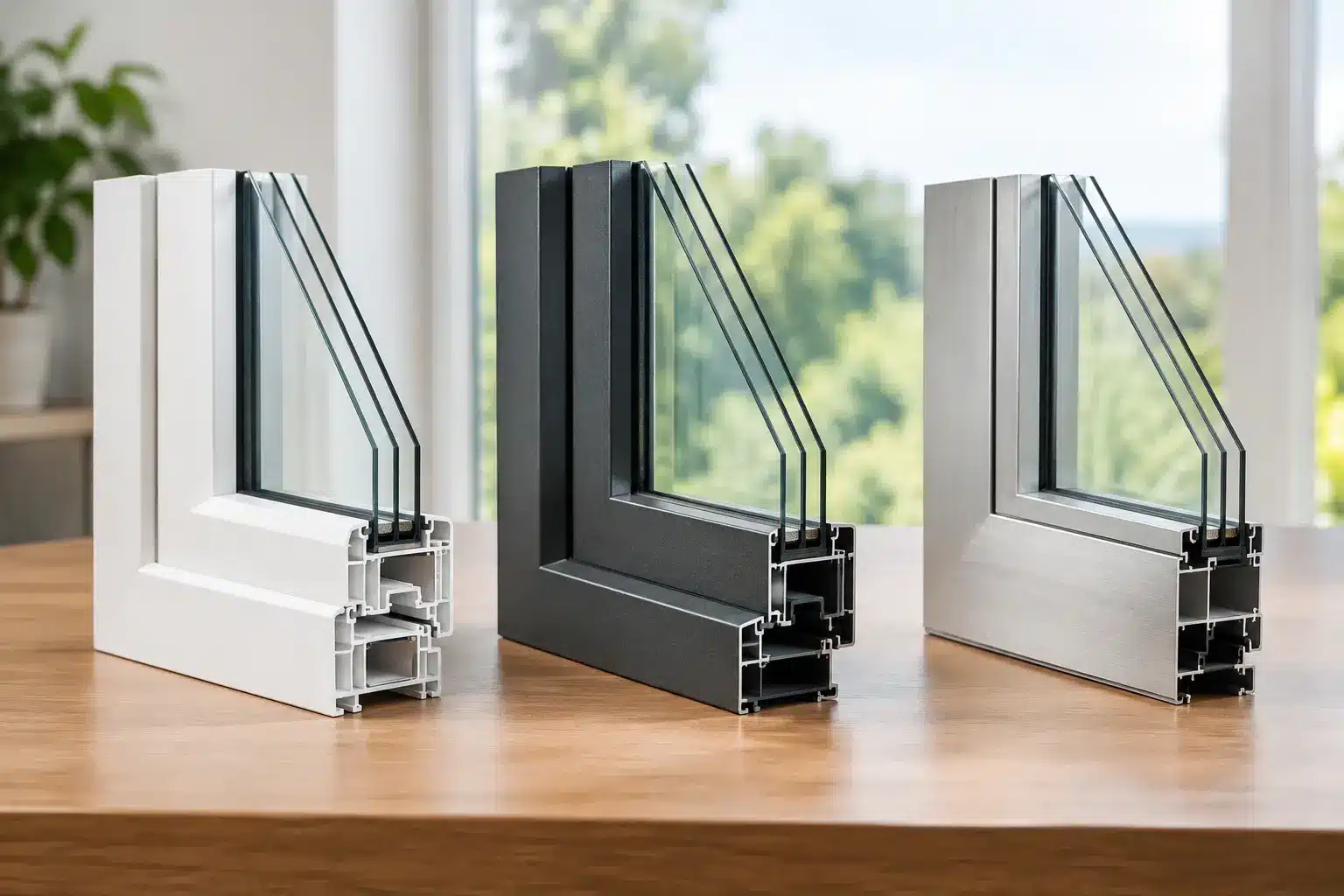
These three window categories differ primarily in frame material, structural strength, finish options, and price range.
Vinyl windows use PVC frames. They are widely available, generally cost-effective, and require minimal exterior maintenance. Fiberglass windows use glass fibers and resin to create a rigid frame that is exceptionally stable through temperature changes. Aluminum-clad windows typically feature a wood interior with a protective aluminum exterior, combining a warm, paintable or stainable interior appearance with a durable outside shell.
A crucial distinction: aluminum-clad windows are not the same as standard aluminum windows. Conventional aluminum frames can be appropriate for certain modern commercial or residential applications, but aluminum-clad wood windows are a different product category. They are typically selected for refined residential projects where interior wood detailing and exterior durability are equally important.
Vinyl Windows: Practical Value With Clear Limits
Vinyl is often the most budget-conscious option, particularly for homes with many standard-size openings. Good-quality vinyl windows can offer reliable energy performance, easy operation, and a clean appearance without the repainting or refinishing demands associated with exposed wood.
For an investment property, a garage conversion, or a renovation where the window package must stay within a disciplined budget, vinyl can be a sensible material. It is also resistant to moisture, which makes it useful in bathrooms, laundry areas, and locations where regular maintenance is unlikely.
The trade-off is design flexibility. Vinyl frames are generally thicker than fiberglass or aluminum-clad alternatives, so the visible glass area can be more limited. Color options have improved, but dark exterior finishes can absorb significant heat in sunny Southern California conditions. Lower-grade frames may also expand and contract more noticeably over time, especially on elevations exposed to sustained afternoon sun.
Vinyl is usually not the first choice when a project calls for very large openings, narrow sightlines, historically appropriate profiles, or finely detailed custom interiors. A premium vinyl product can perform well, but it cannot fully replicate the stiffness, scale, or finish options of higher-end materials.
Fiberglass Windows: Strength, Stability, and Cleaner Sightlines
Fiberglass is often the strongest all-around option for homeowners seeking high performance without the cost of a wood interior. Because fiberglass expands and contracts at a rate similar to glass, it remains stable through seasonal temperature shifts. That stability helps support long-term operation, weather sealing, and finish durability.
Its strength also allows for slimmer frames than many vinyl options. The result is a more contemporary appearance with more visible glass, which can make a noticeable difference in homes designed around views, daylight, or large openings. In areas such as Pacific Palisades, Santa Monica, or the Hollywood Hills, where the relationship between indoor space and outdoor views is central to the design, those narrower profiles may justify the higher material cost.
Fiberglass also handles dark colors well. Black, bronze, and deep charcoal frames are common in modern Los Angeles remodels, but they need a frame material that can tolerate heat exposure without excessive movement. Fiberglass is generally better suited to this application than entry-level vinyl.
The primary drawback is price. Fiberglass windows typically cost more than vinyl, and the installation must still be handled carefully. A strong frame cannot compensate for poor flashing, inaccurate field measurements, or gaps in the air and water barrier. During a full-home renovation, window selection should be coordinated with stucco, siding, waterproofing, trim, and interior finish details before installation begins.
Aluminum-Clad Windows: The Premium Choice for Detailed Homes
Aluminum-clad windows are often specified when the interior of the home deserves as much attention as the exterior. The wood interior can be painted to match millwork, stained to complement flooring or cabinetry, or detailed with traditional or contemporary profiles. Outside, the aluminum cladding protects the wood from sun, rain, and routine exposure.
This combination is particularly compelling for custom homes, luxury renovations, and architectural styles where the windows are a visible design element rather than a background component. A Spanish revival home may benefit from divided-light patterns and painted wood interiors. A transitional Brentwood renovation may call for large casements with warm oak interiors. A contemporary property may use dark-clad frames to create crisp openings against smooth stucco.
Aluminum-clad windows can also accommodate substantial sizes and sophisticated configurations, including multi-panel doors, specialty shapes, and broad picture windows. They are not automatically the best choice for every project, however. They carry a higher upfront cost, and some wood interiors require periodic care depending on the finish and environment. Lead times can also be longer than standard vinyl options, which matters when a project schedule is tied to permit milestones, framing completion, or a planned move-in date.
For coastal properties, product selection deserves extra scrutiny. Salt air, wind-driven moisture, and exposure conditions can affect hardware, cladding finishes, and installation details. The manufacturer’s coastal recommendations, finish warranty, and approved hardware package should be reviewed before ordering.
Energy Performance Depends on More Than the Frame
Frame material matters, but a window’s energy performance is determined by the complete unit. Glass type, coating, gas fill, spacer system, orientation, shading, and installation quality all play a role.
In Los Angeles, homeowners often focus on keeping heat out rather than retaining heat in. Low-E glass can reduce solar heat gain while still allowing useful daylight into the home. The best glazing selection for a shaded north-facing bedroom may not be the best choice for a west-facing living room that receives intense afternoon sun. Large glass walls, skylights, and dark frames require especially careful coordination with the home’s insulation, HVAC design, and shading strategy.
Do not rely only on a broad claim that a window is “energy efficient.” Review performance ratings for the exact product and glass package being proposed. A beautiful frame with the wrong glazing can leave a room uncomfortably warm, while a well-selected glass package can improve comfort without sacrificing the intended look.
Installation Is Where Window Performance Is Won or Lost
Even an excellent window can fail prematurely if it is installed without correct flashing and water management. This is particularly relevant in full remodels, additions, and restoration projects where wall assemblies may be opened and rebuilt.
Proper installation begins with accurate rough openings and a clear plan for the weather-resistive barrier, sill pan, flashing sequence, sealants, and exterior finish transition. Stucco homes require special attention because the window must integrate correctly with lath, paper, weep screed conditions, and surrounding patch work. The goal is not simply to set a frame square in an opening. The goal is to direct water out, maintain the building envelope, and create clean interior and exterior finish lines.
Homeowners should also consider whether the project needs permits, egress compliance, tempered glass, safety glazing near doors or wet areas, or fire-related requirements. These details are easier and less expensive to resolve during planning than after windows have been ordered.
How to Choose the Right Window Material
Choose vinyl when cost control, simple maintenance, and standard residential openings are the priority. It is a practical fit for many rental properties, secondary spaces, and value-driven renovations where high-end customization is not required.
Choose fiberglass when you want long-term stability, narrow sightlines, dark exterior finishes, and strong performance without a wood interior. It is often the best middle ground for homeowners investing in a substantial remodel who want a refined look and dependable material performance.
Choose aluminum-clad windows when interior design, architectural detail, custom sizes, and premium finishes are central to the project. They are especially appropriate when windows need to relate closely to custom cabinetry, trim, doors, and the overall character of the home.
The right selection should also reflect the scope of work. Replacing a few windows in an otherwise unchanged home is different from designing a whole-house renovation where window heights, door alignments, kitchen elevations, exterior finishes, and furniture layouts can all be coordinated from the start.
Before committing to a window package, request full product specifications, review real finish samples in the home’s natural light, and confirm who is responsible for measurements, ordering, waterproofing, installation, and finish repairs. Precise Building and Restoration helps Los Angeles homeowners coordinate those decisions within a complete remodel or construction plan, so the windows support both the design and the building envelope. For clear guidance on your project, call 310-606-2222.