
How to Plan a Luxury Bathroom Remodel in Los Angeles
- By Tony Akopyan (Construction & Remodeling Specialist)
A luxury bathroom remodel can improve far more than the appearance of your home. A well-planned renovation can create a more comfortable daily routine, solve frustrating layout problems, improve storage, and turn an ordinary bathroom into a private retreat.
Bathroom remodeling in Los Angeles presents unique opportunities and challenges. Homes throughout the region vary considerably in age, architecture, size, and condition. Some bathrooms need cosmetic updates, while others require new plumbing, electrical improvements, structural changes, or complete reconfiguration.
Before selecting tile or ordering fixtures, homeowners should understand how design, construction, materials, and long-term performance work together.
Begin With the Way You Use the Bathroom
Beautiful finishes matter, but an effective bathroom design begins with function. Consider what is inconvenient about the existing room and how the remodeled space should support your daily routine.
Common remodeling goals include:
- Creating a larger walk-in shower
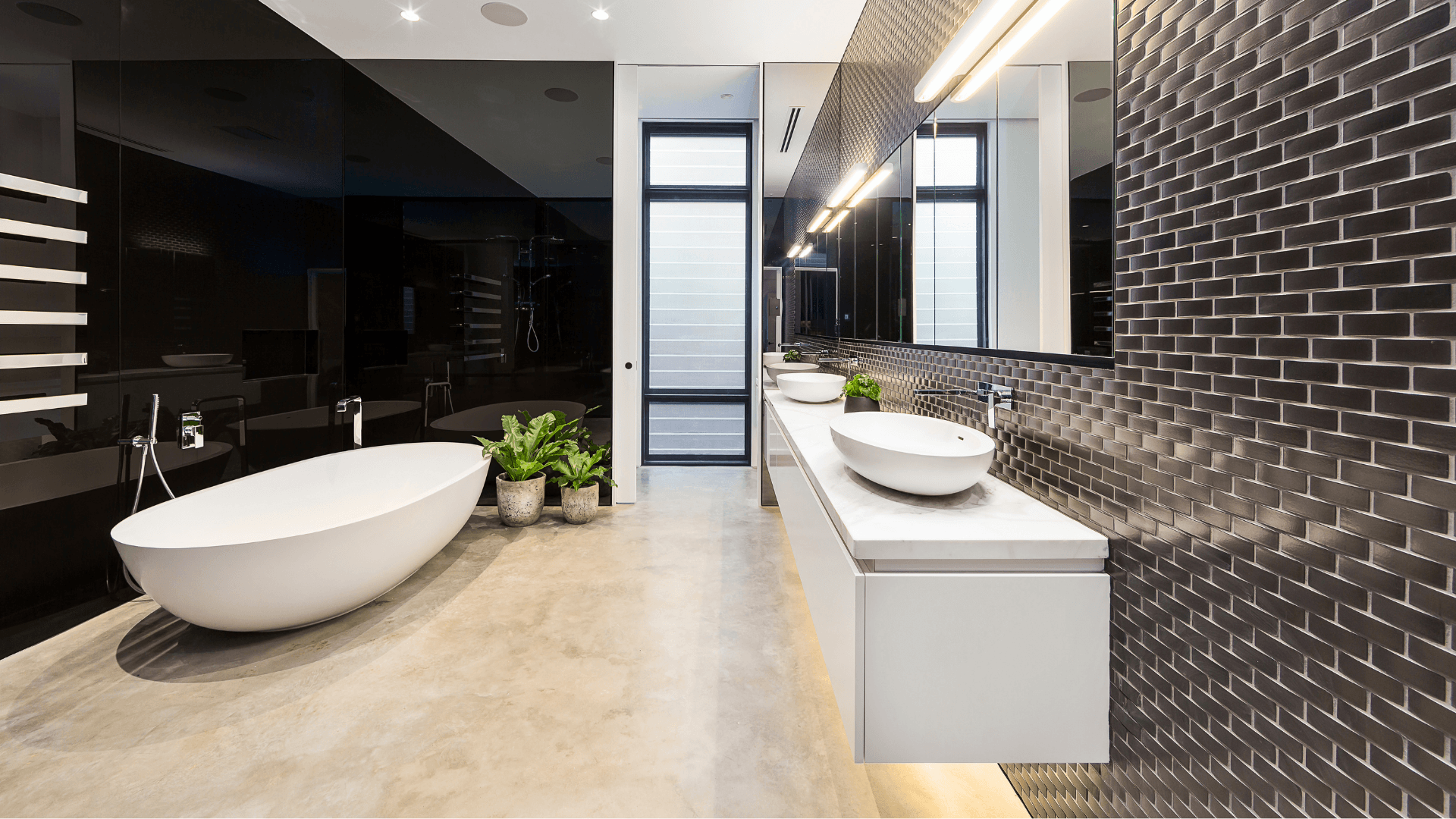
- Adding a freestanding soaking tub
- Installing a double vanity
- Improving lighting around mirrors
- Increasing storage
- Separating the toilet area
- Introducing more natural light
- Improving ventilation
- Creating a safer, more accessible layout
- Connecting the bathroom more naturally to a bedroom or closet
A successful plan should address movement, privacy, storage, lighting, and maintenance—not simply replace old finishes with new ones.
Decide Whether to Preserve or Reconfigure the Layout
Keeping fixtures in their existing locations can simplify a renovation. However, an outdated layout may prevent the room from reaching its full potential.
Relocating a shower, toilet, tub, or vanity can create better circulation and make room for features that were previously impossible. These changes may require drainage relocation, water-line modifications, framing work, electrical upgrades, and permits.
Before committing to a new layout, an experienced bathroom remodeling contractor should evaluate the existing conditions. This helps determine which ideas are practical and which changes may significantly affect the project’s scope.
Make the Shower a Central Design Feature
The shower is often the most technically demanding part of a bathroom remodel. It is also one of the most frequently used features, making proper construction essential.
Popular upgrades include:
- Curbless or low-threshold entrances
- Frameless glass enclosures
- Built-in benches
- Recessed storage niches
- Rainfall showerheads
- Handheld shower systems
- Multiple lighting zones
- Steam shower systems
- Large-format tile or stone slabs
- Slip-resistant shower flooring
The finished surfaces are only part of the project. Correct drainage, waterproofing, ventilation, and substrate preparation determine how well the shower performs over time.
Select Materials for Beauty and Performance
Bathrooms experience water, humidity, temperature changes, and frequent cleaning. Materials should therefore be selected for durability as well as appearance.
Porcelain tile is a versatile option for floors and walls because it is available in numerous colors, patterns, and stone-inspired finishes. Natural stone can deliver distinctive character but may require sealing and specialized maintenance.
Large-format tile and stone slabs can reduce grout lines and create a clean, expansive appearance. However, these materials require careful surface preparation and precise installation.
Other material considerations include:
- Slip resistance for wet floors
- Stain resistance around vanities
- Maintenance requirements
- Compatibility with radiant heating
- Grout color and performance
- Moisture-resistant cabinetry
- Properly rated lighting and hardware
A knowledgeable remodeling team can explain how each material will perform in the intended location.
Invest in a Well-Designed Vanity
The vanity influences storage, lighting, circulation, and the visual balance of the bathroom. It should be sized according to the room rather than selected solely for appearance.
A custom vanity can provide storage tailored to specific needs, including drawer organizers, outlets for grooming tools, linen storage, and dedicated compartments for everyday products.
Floating vanities can create a contemporary appearance and make the floor feel more open. Furniture-style cabinetry may be better suited to transitional or traditional homes. Double vanities work well in shared primary bathrooms, while a carefully designed single vanity may preserve more counter space in a smaller room.
Countertop, sink, faucet, mirror, and lighting selections should be coordinated as a complete composition.
Use Layered Lighting
A single ceiling fixture rarely provides sufficient bathroom lighting. Luxury bathrooms typically combine several lighting sources to support different activities and moods.
An effective lighting plan may include:
- Recessed ambient lighting
- Vanity or mirror lighting
- Decorative pendants or sconces
- Shower-rated lighting
- Under-vanity illumination
- Lighting inside storage niches
- Dimmers for evening use
- Natural light from windows or skylights
Vanity lighting should illuminate the face evenly without creating harsh shadows. Decorative fixtures can introduce personality, but their placement should not interfere with mirrors, doors, or cabinetry.
Consider Ventilation Early
Ventilation is one of the least visible but most important parts of bathroom design. A properly selected and positioned exhaust system helps manage moisture, odors, and humidity.
Larger bathrooms, enclosed toilet rooms, steam showers, and spaces with high ceilings may require additional planning. Ventilation should be considered during design—not after tile and cabinetry have already been installed. Good ventilation supports occupant comfort and helps protect paint, cabinetry, drywall, and other finishes from prolonged moisture exposure.Plan for Permits and Inspections
A permit may be required when a bathroom renovation involves plumbing relocation, new electrical circuits, structural modifications, ventilation changes, or alterations to the room’s footprint. Requirements depend on the property and approved scope of work.
Some Los Angeles-area properties may also be subject to homeowners’ association rules or other architectural review requirements.
A qualified contractor should identify applicable requirements, coordinate necessary documentation, schedule inspections, and ensure the completed work follows the approved plans.
Establish the Scope Before Construction Begins
Bathroom remodeling costs vary widely because no two projects involve precisely the same conditions or selections. Room size is only one factor.
The project scope may also be influenced by:
- Plumbing and electrical changes
- Structural modifications
- Water or termite damage
- Custom cabinetry
- Natural stone fabrication
- Premium plumbing fixtures
- Specialty lighting
- Steam shower equipment
- Radiant floor heating
- Windows or skylights
- Permit requirements
- Material availability
A detailed proposal should explain what is included, what remains an allowance, and how unexpected conditions will be handled. Finalizing the design and major material selections before demolition can reduce delays and prevent avoidable changes.
Prepare for Conditions Behind the Walls
Demolition sometimes reveals problems that were not visible during the initial consultation. These may include deteriorated plumbing, inadequate wiring, damaged framing, uneven subfloors, improper waterproofing, or moisture damage.
Homeowners should maintain a reasonable contingency for concealed conditions. Addressing these issues correctly is more important than covering them with new finishes.
This is also why contractor experience matters. A skilled team knows how to evaluate the problem, explain the available options, and complete the necessary correction before moving forward.
Choose a Contractor Who Manages the Complete Process
A bathroom remodel requires coordination among designers, plumbers, electricians, tile installers, cabinetmakers, inspectors, and other specialists. Miscommunication between trades can cause delays, installation conflicts, and expensive corrections.
When interviewing contractors, ask about:
- Licensing and insurance
- Experience with comparable bathrooms
- Design and material-selection support
- Waterproofing methods
- Permit coordination
- Project supervision
- Communication practices
- Change-order procedures
- Cleanup and home protection
- Final inspections and walkthroughs
Homeowners planning a bathroom renovation in the western San Fernando Valley can also explore our dedicated Calabasas bathroom remodeling service for information about our design-build approach and recent projects.
Create a Bathroom That Supports Your Lifestyle
The best bathroom remodel is not simply the one with the most expensive materials. It is the one that combines thoughtful planning, durable construction, comfortable movement, practical storage, and a design that feels appropriate for the home.
At Precise Building & Restoration, we guide Los Angeles homeowners through bathroom renovation from the initial consultation and design development to construction, inspections, and final completion.
Call 310-606-2222 to schedule a complimentary in-home consultation and begin planning a bathroom created around your home, preferences, and daily routine.
Share the Post:
Related Posts
What Is Included in a Complete Outdoor Kitchen?
October 11, 2026
ADU Soft Costs for Plans, Permits and Utility Fees
October 10, 2026
Let's Build Something Amazing Together
No pressure, no pushy sales tactics — just an honest conversation about your project. Tell us what you're thinking, and we'll show you how we can make it happen.

Share the Post:
Related Posts
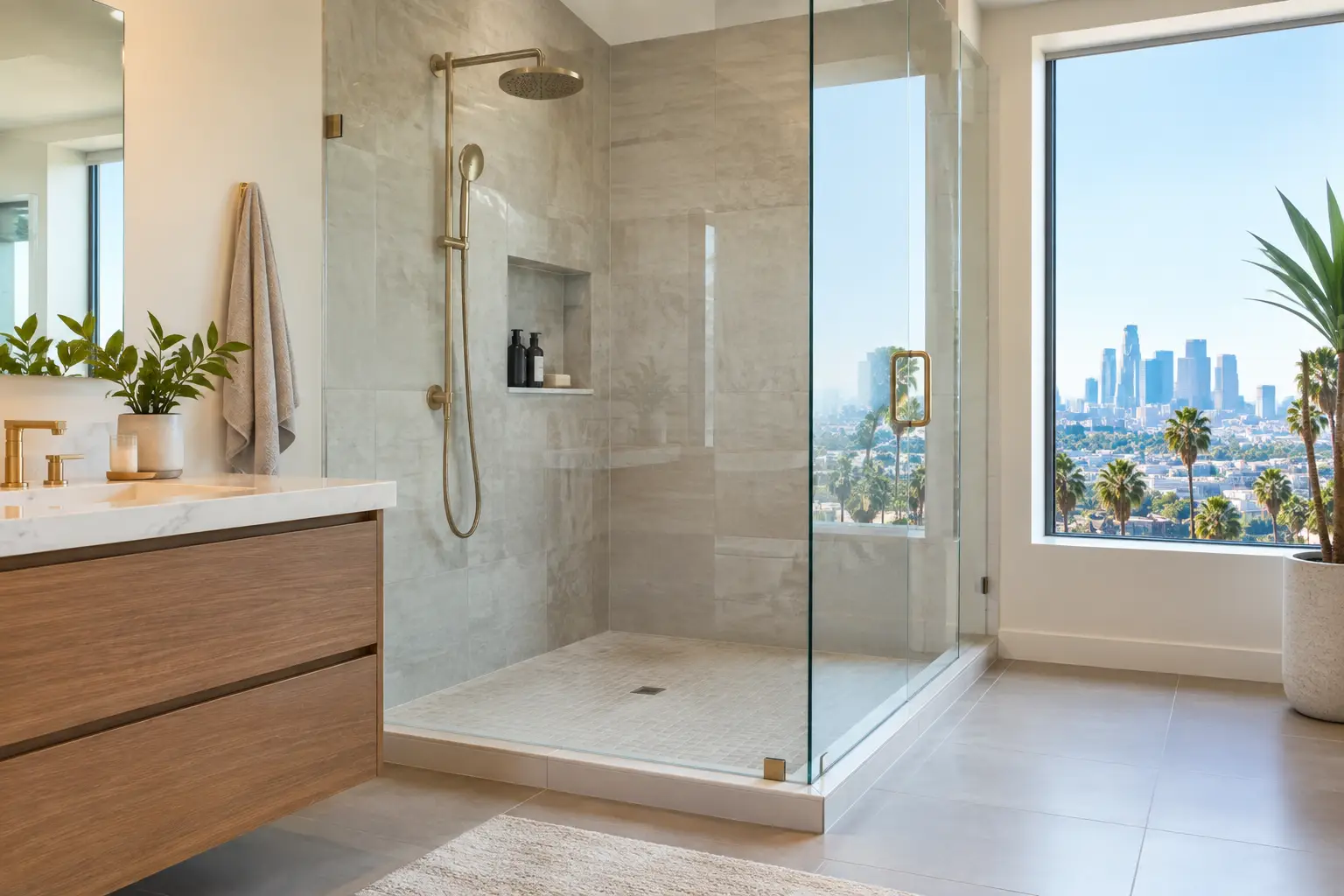
How Much Does a Walk-In Shower Remodel Cost in Los Angeles?
October 9, 2026
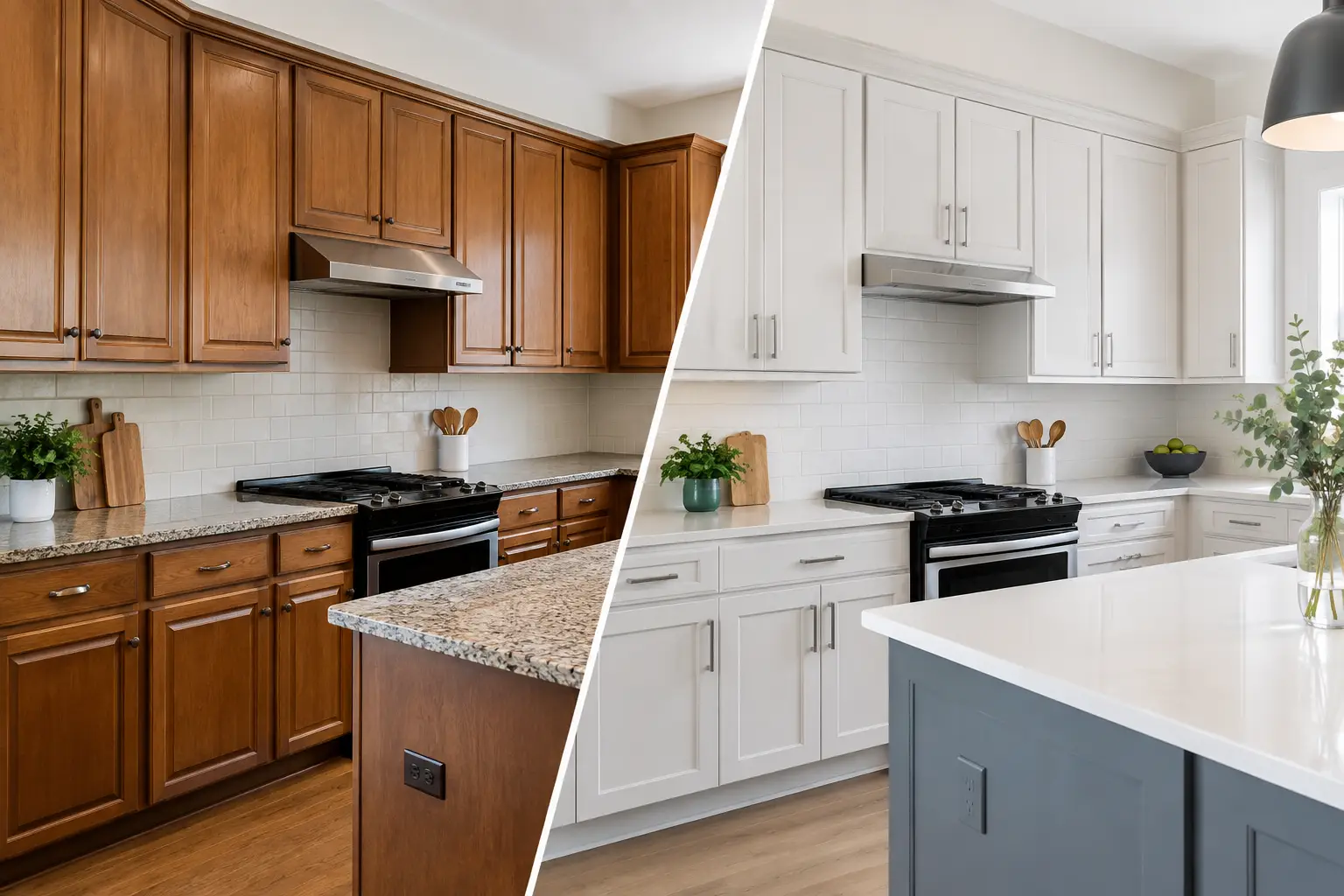
Cabinet Refacing vs. Replacement: Better Investment?
October 8, 2026
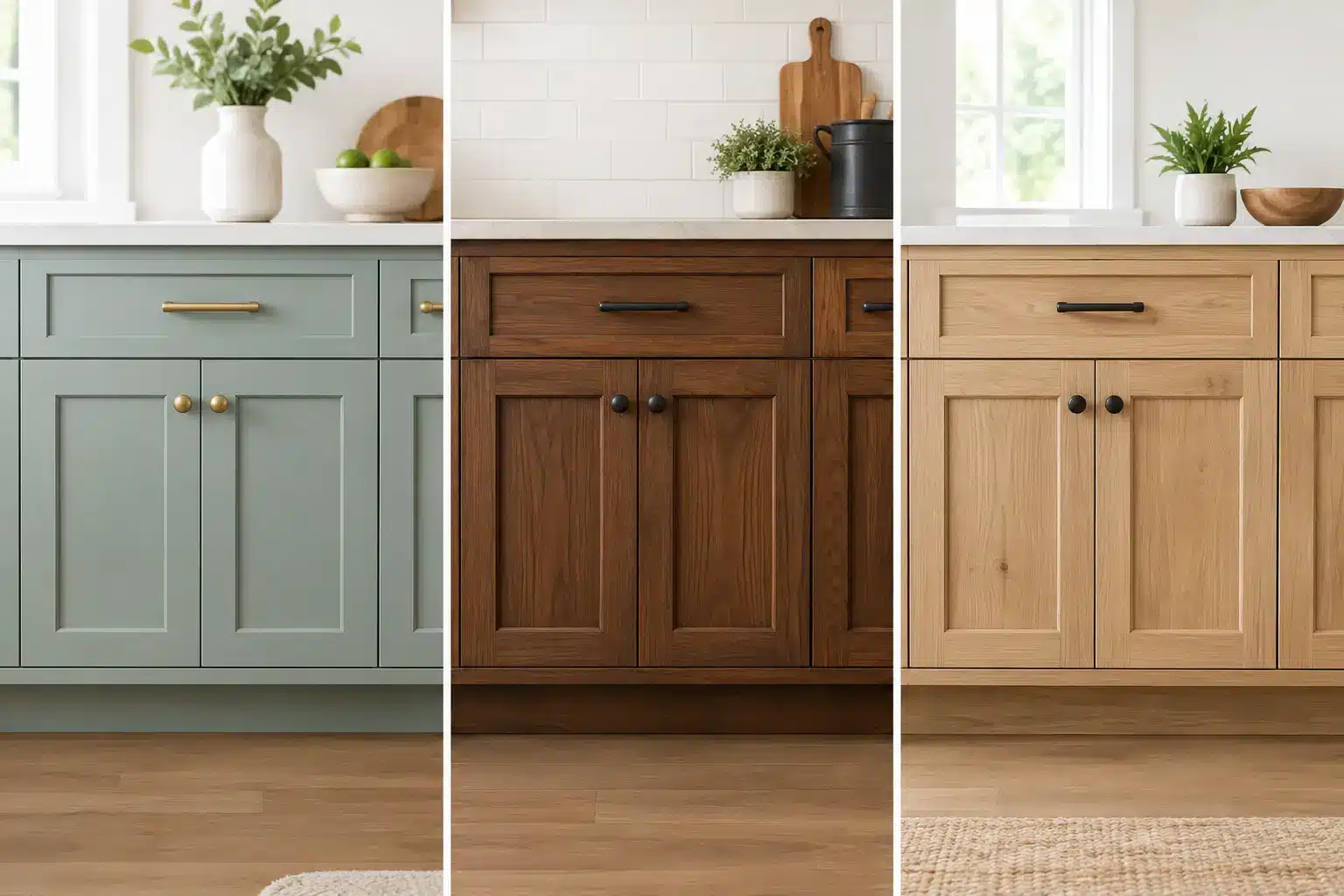
Painted vs. Stained vs. Natural Wood Cabinets
October 7, 2026
Let's Build Something Amazing Together
No pressure, no pushy sales tactics — just an honest conversation about your project. Tell us what you're thinking, and we'll show you how we can make it happen.