Palisades Fire Home Rebuild: Your Complete Guide to Rebuilding with Confidence in 2026
- CA Licensed General Contractor
- License #1113493
AI Summary
- Turnkey Process: One dedicated project manager handles your entire Palisades fire home rebuild from debris removal to final walkthrough — no juggling multiple contractors.
- Full Permit Handling: We manage all city permits, submittals, coastal commission filings, and department communications for your Pacific Palisades home rebuild.
- 3 Free CAD Designs: Your first three architectural designs are completely free — no AI templates, no cookie-cutter layouts. Real plans created by real licensed engineers.
- 35+ Years of Experience: Family-owned and deeply rooted in Los Angeles, with a proven track record of luxury builds, complex restorations, and disaster recovery projects.
- Transparent Pricing: Clear, itemized proposals from day one. No surprise invoices, no hidden costs, no “we’ll figure it out as we go” energy.
If you lost your home in the Palisades fires, first — we are so sorry. There are no words that make that easier to hear. Your home wasn’t just a structure. It held memories, milestones, the smell of Sunday mornings. Losing it is genuinely devastating, and you deserve a moment to acknowledge that.
But here’s the thing: you’re still standing. And now, you need to start thinking about what comes next.
The reality of a Palisades fire home rebuild is that it’s one of the most complex construction projects a homeowner can navigate — especially in coastal Los Angeles, where permits, zoning laws, California building codes, and Coastal Commission regulations all layer on top of each other like a bureaucratic lasagna. It’s a lot.
Table of Contents
If you lost your home in the Palisades fires, first — we are so sorry. There are no words that make that easier to hear. Your home wasn’t just a structure. It held memories, milestones, the smell of Sunday mornings. Losing it is genuinely devastating, and you deserve a moment to acknowledge that.
But here’s the thing: you’re still standing. And now, you need to start thinking about what comes next.
The reality of a Palisades fire home rebuild is that it’s one of the most complex construction projects a homeowner can navigate — especially in coastal Los Angeles, where permits, zoning laws, California building codes, and Coastal Commission regulations all layer on top of each other like a bureaucratic lasagna. It’s a lot.
That’s exactly why we built Precise Building and Restoration. We’re a family-owned company with over 35 years of industry experience and 15+ years operating specifically in Los Angeles. Led by Bruno Pisano, our team has seen it all — and we’re here to make sure you don’t have to figure it out alone.
This guide walks you through everything: the emotional and practical first steps, the full rebuild process, what to expect from insurance, what materials to use, and why who you hire for your Pacific Palisades home rebuild is the most important decision you’ll make this year.
The Emotional and Logistical First Steps After a Fire
Before you do anything else, give yourself permission to breathe. Then, once you’re ready, here’s what to tackle — roughly in this order:
Step 1: Document Absolutely Everything
Before any debris is cleared (and definitely before anyone touches the property), photograph and video document every inch of the damage. Your insurance company will require this, and it protects you from disputes down the line.
Step 2: File Your Insurance Claim Immediately
California law (Insurance Code Section 2051.5) gives you the right to 36 months to rebuild after a declared state of emergency — and the Palisades fires absolutely qualify. File your claim early, even if you don’t have all the numbers yet. Ask your insurer specifically about:
- ALE (Additional Living Expenses) — covers your hotel and rent while you rebuild
- Code Upgrade Coverage — pays for bringing your home up to current California building codes (huge for older homes)
- Debris Removal Coverage — a separate line item many homeowners forget to claim
- Extended Replacement Cost — if rebuild costs exceed your policy limits
Step 3: Don't Sign Anything Yet
In the weeks after a major disaster, contractors flood the area. Some are legitimate. Many are not. Before you sign any contract, verify:
- Active California Contractor License (check at cslb.ca.gov)
- Liability insurance and workers’ comp coverage
- References from actual LA-area luxury rebuild projects
- Clear contract language with no open-ended pricing
Step 4: Secure Your Property
If any structure remains, work with the city to determine if it’s safe to enter. LADBS (Los Angeles Department of Building and Safety) will post a placard rating on your home — green (inspected), yellow (restricted use), or red (unsafe). Red means stay out.
Your Fire Rebuild Checklist: First 30 Days
- Contact your insurance company and file initial claim
- Photograph all damage thoroughly
- Obtain LADBS placard and damage assessment
- Arrange temporary housing (use ALE coverage)
- Request a full copy of your homeowner's insurance policy
- Begin interviewing licensed, experienced rebuild contractors
- Do NOT sign anything without independent legal review
- Request your lot survey and original permit history from LADBS
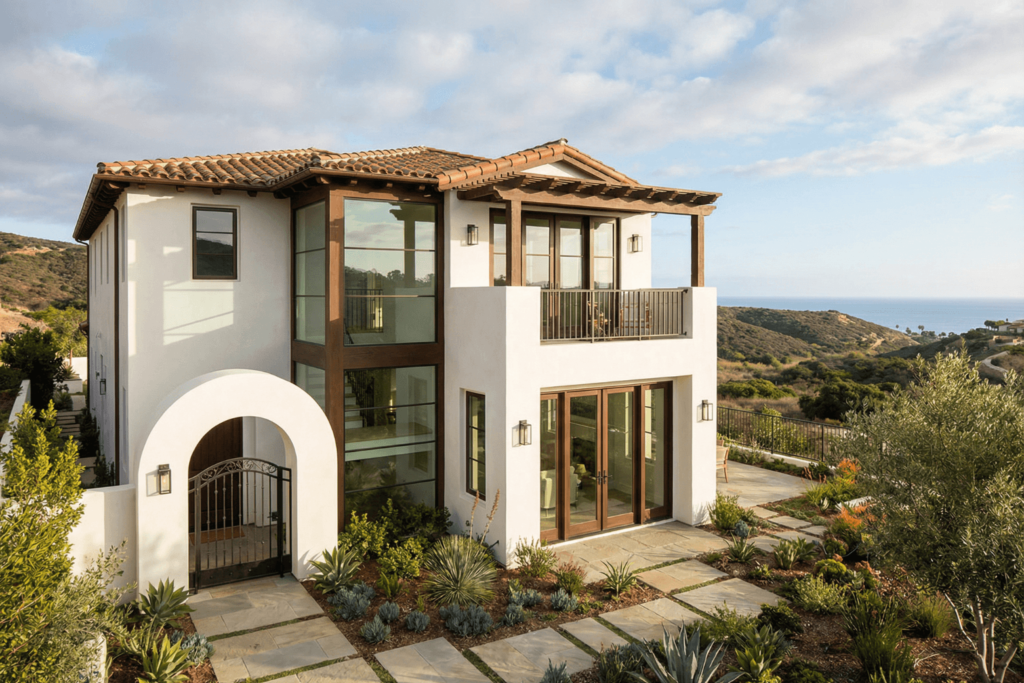
Why a Palisades Fire Home Rebuild Requires a Specialized Contractor
Here’s something most homeowners don’t realize until they’re knee-deep in it: rebuilding after a 2025 fire in Pacific Palisades is fundamentally different from a standard new construction project. It’s not just harder — it’s an entirely different animal.
Why? Because you’re not just building a house. You’re rebuilding within:
- A Coastal Zone — subject to the California Coastal Commission’s jurisdiction, which has its own permit requirements on top of city approvals
- A High Fire Hazard Severity Zone (HFHSZ) — which mandates specific fire-resistant construction materials and methods under California Building Code Chapter 7A
- A Post-Disaster Recovery Zone — with LA City’s expedited permitting programs (like the Permanent Local Housing Allocation program) that contractors must know how to navigate
- An Area with Significant Soil and Geological Considerations — hillside lots in the Palisades often require geotechnical reports and soil engineering reviews before construction can begin
In 2026, the Los Angeles City Council’s post-fire recovery ordinance streamlined some permit processes — but only for contractors who know how to properly use those pathways. A general contractor from out of town won’t know the difference between a standard permit submittal and a post-fire expedited review.
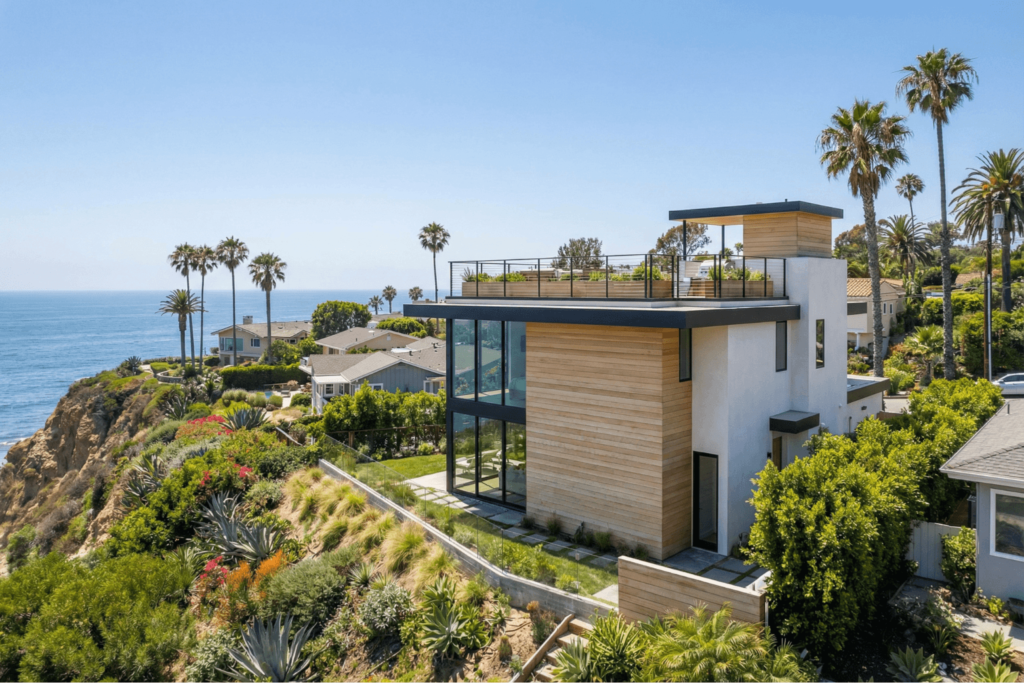
We do. We’ve been working in this city for over 15 years. We know the plan checkers, we know the processes, and we know how to keep your project moving without the months-long delays that plague homeowners who hire the wrong team.
This is exactly why experience isn’t a bonus for a Pacific Palisades home rebuild. It’s a requirement.
Our "Ground Zero to Completion" Process for Your Pacific Palisades Home Rebuild
When we say we handle everything, we mean it. Here’s what that actually looks like in practice:
Phase 1: Assessment & Debris Removal
Once you’ve filed your insurance claim and received your LADBS placard, we come in for a comprehensive site assessment. We document the structural damage, test the soil, assess the foundation, and determine what (if anything) can be salvaged.
Then comes debris removal — the unglamorous but critically important first step. Fire debris in the Palisades is classified as hazardous due to ash, heavy metals, and potential asbestos from older homes. It must be handled by licensed, insured professionals following California DTSC (Department of Toxic Substances Control) protocols. We coordinate all of this, so you don’t have to.
Phase 2: Permits & City Approvals
This is where most homeowners get stuck — and where we shine.
A Pacific Palisades home rebuild typically requires permits and approvals from multiple city and state agencies, which may include:
- LADBS Building Permits (structural, mechanical, electrical, plumbing)
- California Coastal Commission Permit (for properties within the Coastal Zone)
- Geotechnical/Soils Report approval
- Los Angeles Fire Department review (especially for fire-resistant construction compliance)
- HOA approval (where applicable)
- CEQA environmental review (for certain larger lots or complex rebuilds)
We prepare all documentation, handle all submittals, and maintain active communication with every department throughout the process. You will have one point of contact — your dedicated project manager — who handles all of this on your behalf.
As of 2026, LADBS processing times for post-fire expedited reviews have improved significantly under the city’s recovery programs, with some permits processed in 4–8 weeks versus the standard 3–6 month timeline — but only when applications are properly prepared and complete from day one.
Phase 3: Engineering & Architectural Planning
Once permits are moving, our licensed in-house engineers and architects begin developing your structural and design plans. This phase includes:
- Structural engineering review — including seismic load analysis, which is non-negotiable in Southern California
- Foundation design — whether you’re rebuilding on an existing foundation or starting fresh
- SB 896 compliance review — California’s post-fire rebuild legislation that streamlines certain code requirements for like-for-like rebuilds
- Architectural design — custom to your vision and site requirements
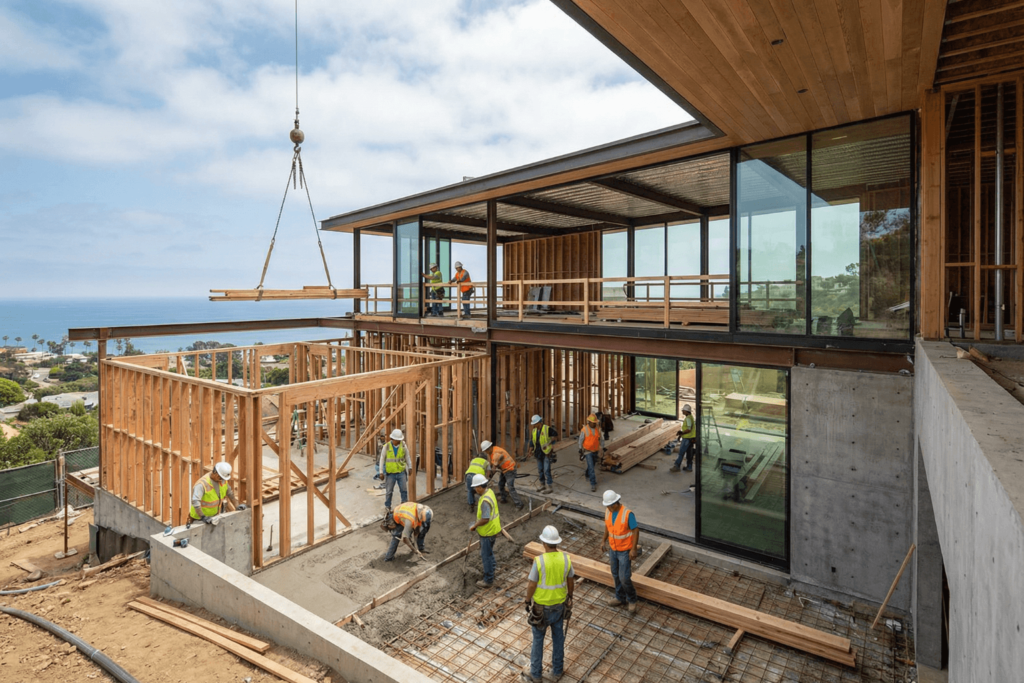
Phase 4: Construction
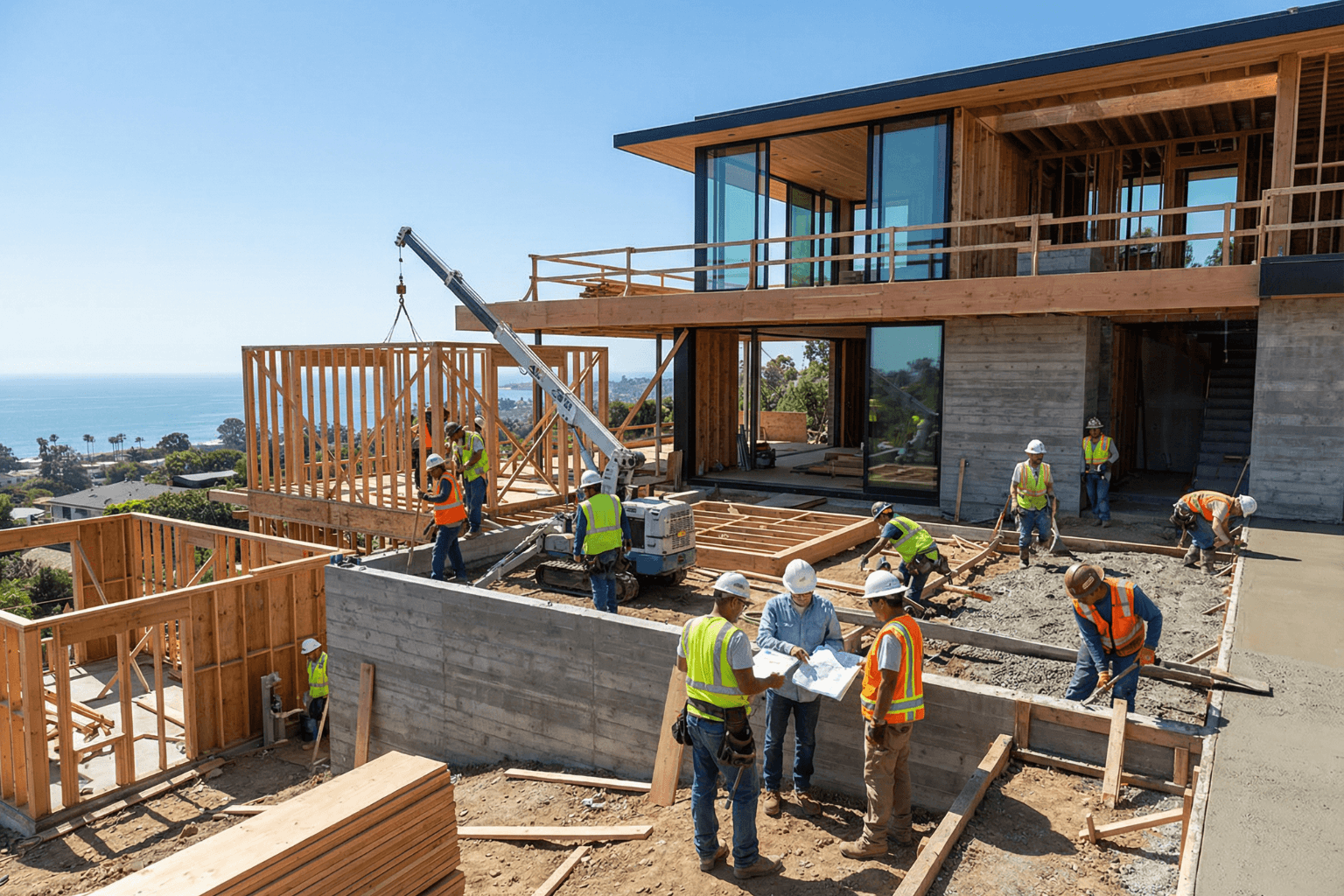
This is where your home actually comes back to life. Our construction crews are fully licensed, insured, and trained in California’s high-fire-hazard-zone building requirements. We handle:
- Foundation work and concrete
- Framing with approved fire-resistant materials
- Roofing, windows, and exterior cladding
- Electrical, plumbing, and HVAC
- Interior finishes to your exact specifications
- Final inspections and certificate of occupancy
Throughout every phase, your project manager provides regular updates with photos, milestones, and clear timelines. No ghosting. No ‘we’ll get to it.’ We show up, we communicate, and we deliver.
Rebuild Timeline
Estimated duration for each phase of a full rebuild project
| Phase | Duration | What happens |
|---|---|---|
| Insurance | Weeks | Claim filing, adjuster inspection, settlement negotiation |
| Debris removal | Days | Site clearance, hazardous material disposal, lot prep |
| Planning & design | 1 – 6 months | Architectural drawings, engineering, material selections |
| Permitting | 3 – 6 months | LADBS plan check, corrections, approval & city coordination |
| Construction | 10 – 18 months | Foundation, framing, MEP, finishes, inspections, CO |
| Total | 18 – 36 months |
What Does a Fire-Resilient Rebuild Actually Cost in Los Angeles?
Let’s talk numbers — because this is usually where the surprises happen, and surprises are exactly what we’re trying to avoid.
A custom fire-resilient rebuild in Los Angeles runs $550–$850 per square foot. That’s the honest mid-range for a home built to modern fire-resistance standards with quality materials and proper engineering. Step up to premium or luxury finishes — think high-end architecture, custom everything, top-tier materials — and you’re looking at $850–$1,200+ per square foot.
For a 2,000 sq ft home, that’s a total construction cost of roughly $1.1M–$1.7M at mid-range, or $1.7M–$2.4M+ at the luxury end. Before land, permits, and soft costs.
The Chapter 7A Factor — And Why It Matters
Here’s the line item most contractors quietly leave out: if your home falls within a State Responsibility Area or High Fire Hazard Severity Zone (which, in LA after recent fires, is a lot of us), your rebuild must comply with California’s Chapter 7A fire-resistance standards. We’re talking ignition-resistant exterior walls, multi-pane windows, ember-resistant vents, and more.
The honest cost premium? Add 20% to your baseline construction budget. It’s not optional, and any estimate that doesn’t account for it is going to come back and bite you mid-project.
The upside: a Chapter 7A-compliant home is genuinely safer, easier to insure, and commands a real premium at resale. It’s not just a regulatory hurdle — it’s a better-built house.
Designing Your Vision: 3 Free Custom CAD Designs — On Us
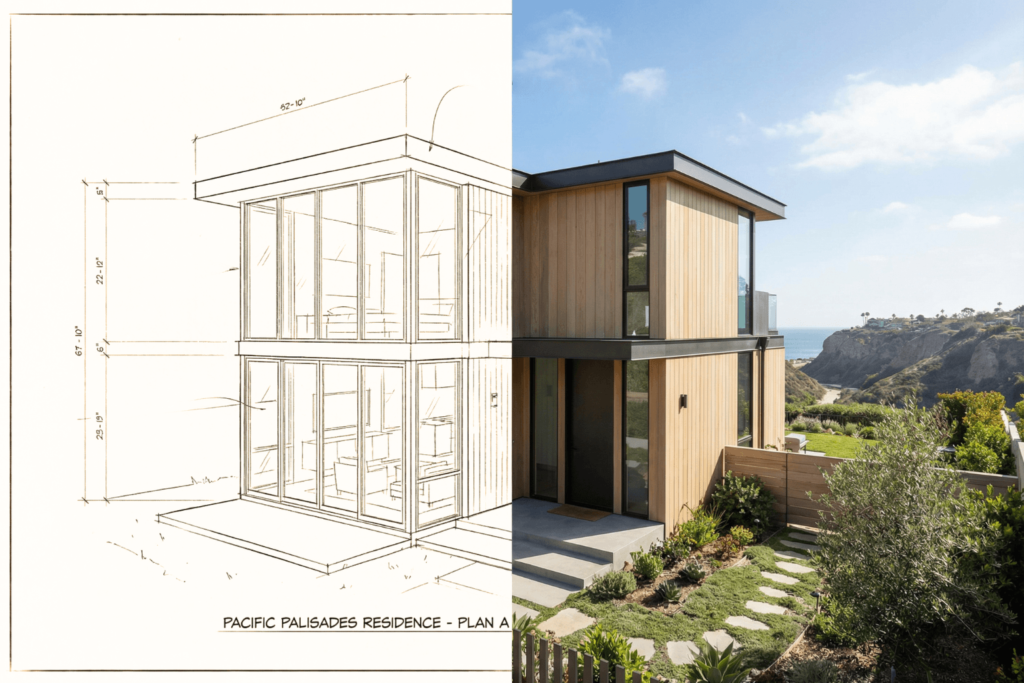
Here’s something we’re genuinely proud to offer: your first three architectural designs are completely free. No strings, no gimmicks, no “free” design that’s really just a template with your name slapped on it.
Every design we create is produced individually by our licensed architects and designers — no AI generation, no automated templates. Just real professionals sitting down with your lot dimensions, your lifestyle, your preferences, and your insurance coverage numbers, and drafting something that actually works for you.
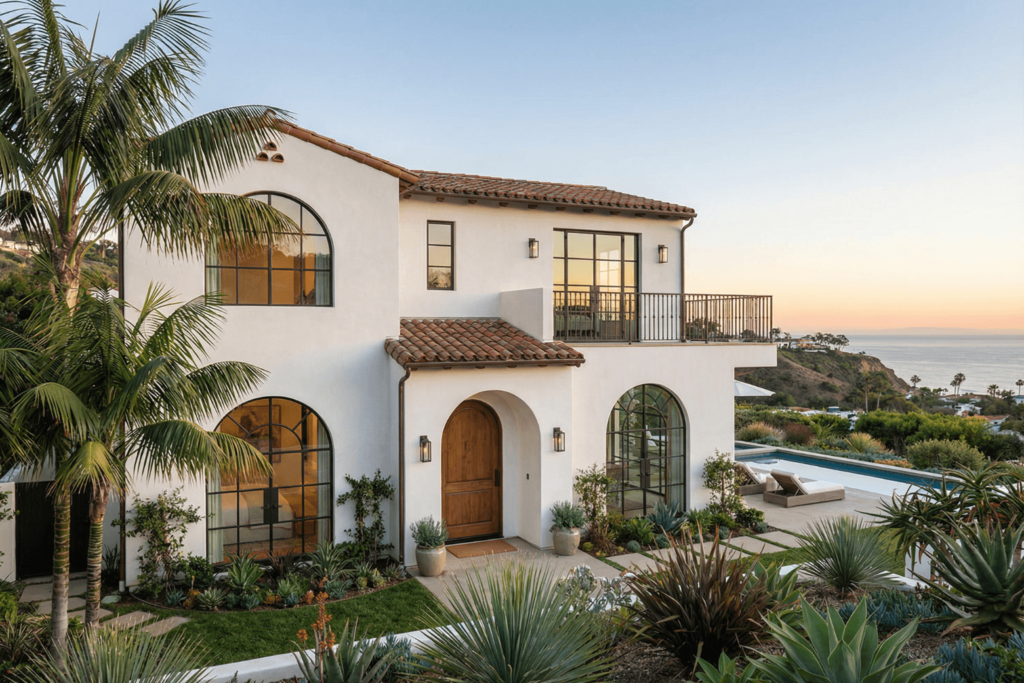
Why does this matter? Because a lot of contractors in the post-fire rebuild space are rushing designs out the door. Quick templates. Generic floor plans. Homes that look like every other house on the block.
You’ve already lost one home. Your next one should feel like yours.
What Our CAD Design Process Looks Like
- Initial consultation — we learn your lifestyle, aesthetic preferences, and must-haves
- Site analysis — we review your lot, setbacks, coastal zone requirements, and HOA guidelines
- First design draft — a full CAD-rendered floor plan and elevation drawings
- Two additional revisions/alternative concepts — included free of charge
- Final plan development — once you choose your direction, we build out the full permitted drawing set
This process also means your architectural plans are already aligned with permit requirements from the start — which saves weeks of back-and-forth during the approval process.
Navigating Insurance, Zoning, and Coastal Commission Requirements
Let’s talk about the three things that trip up almost every Palisades fire home rebuild: insurance gaps, zoning changes, and Coastal Commission requirements.
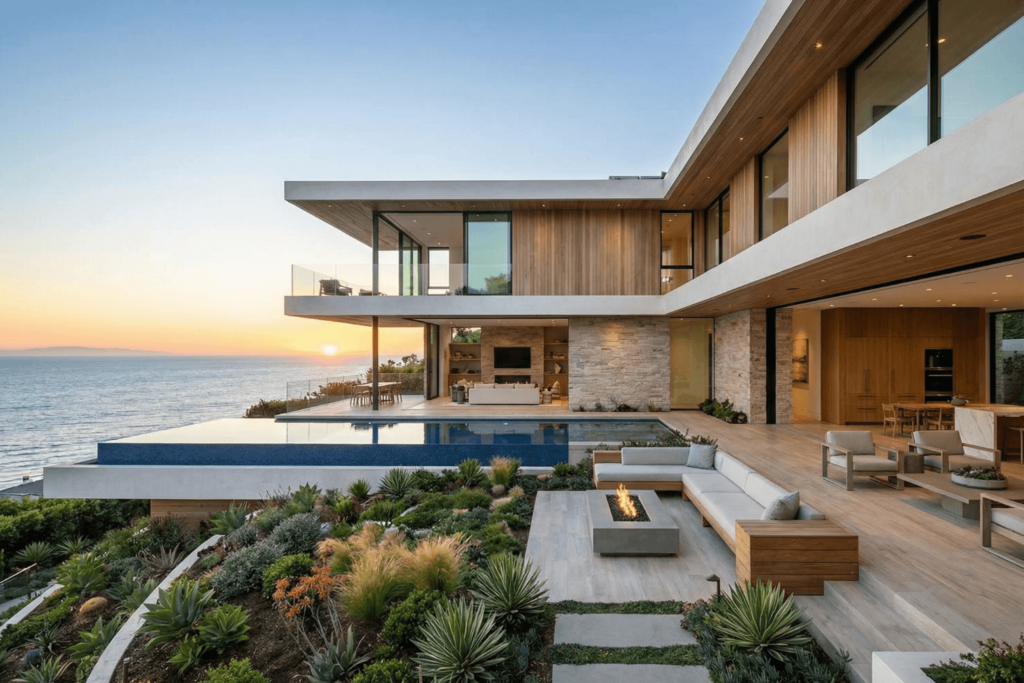
Insurance: What Most Homeowners Don't Realize
A staggering 75% of California wildfire victims are underinsured, according to the California Department of Insurance’s 2024 data. That means their policy limits don’t cover the actual cost of rebuilding — especially when construction costs in Los Angeles have increased 22–30% since 2020 due to material costs and labor demand.
Key things to know about your insurance claim in 2026:
- California AB 2911 — requires insurers to provide at least 36 months of ALE coverage for Palisades fire victims
- Code Upgrade Coverage (Ordinance or Law Coverage) — if your home was built before current codes, your insurer may be required to pay for bringing it up to current standards. This is often listed separately in your policy
- Two-Year Rule — California law gives you two years (extendable to three in a state of emergency) to file your full claim; don’t let anyone rush you
- Public Adjuster Option — if you feel your insurer is lowballing your claim, a licensed public adjuster (not affiliated with your insurer) can independently assess and negotiate your claim
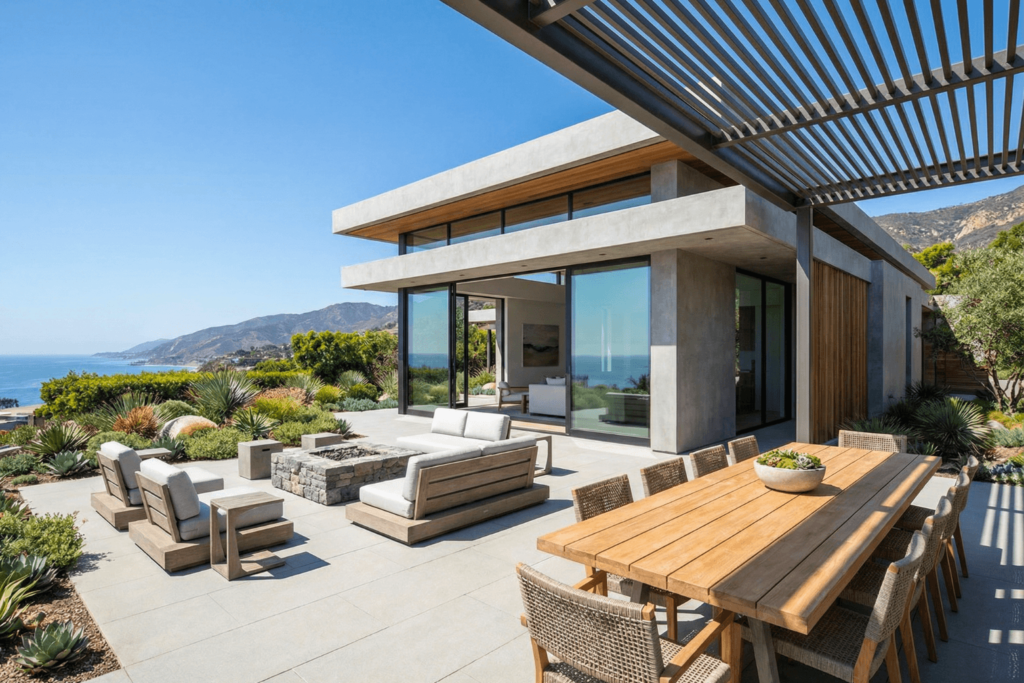
Zoning: What Changed After the Fires?
Los Angeles updated several zoning policies in the wake of the 2025 fires. Key updates as of 2026:
- SB 9 provisions still allow ADU development on most single-family lots, which some homeowners are using to increase rebuild value
- Post-fire rebuild ADUs may qualify for expedited review
- Fire-resistive construction methods are now effectively mandatory in HFHSZ zones — this affects your material choices, not your square footage or design
- Many Palisades lots have been cleared for like-for-like rebuilds, meaning you can rebuild to your home’s previous footprint without a new Coastal Commission hearing — but only if your application is submitted correctly
Coastal Commission: Yes, It's Complicated. We Handle It.
If your property sits within the California Coastal Zone (which most Pacific Palisades properties do), you’ll need a Coastal Development Permit (CDP) in addition to your city building permits.
The good news: for post-fire rebuilds, the Coastal Commission has specific expedited pathways available for like-for-like rebuilds — meaning if you’re rebuilding your home at the same size and location, the process is faster than a brand-new development application.
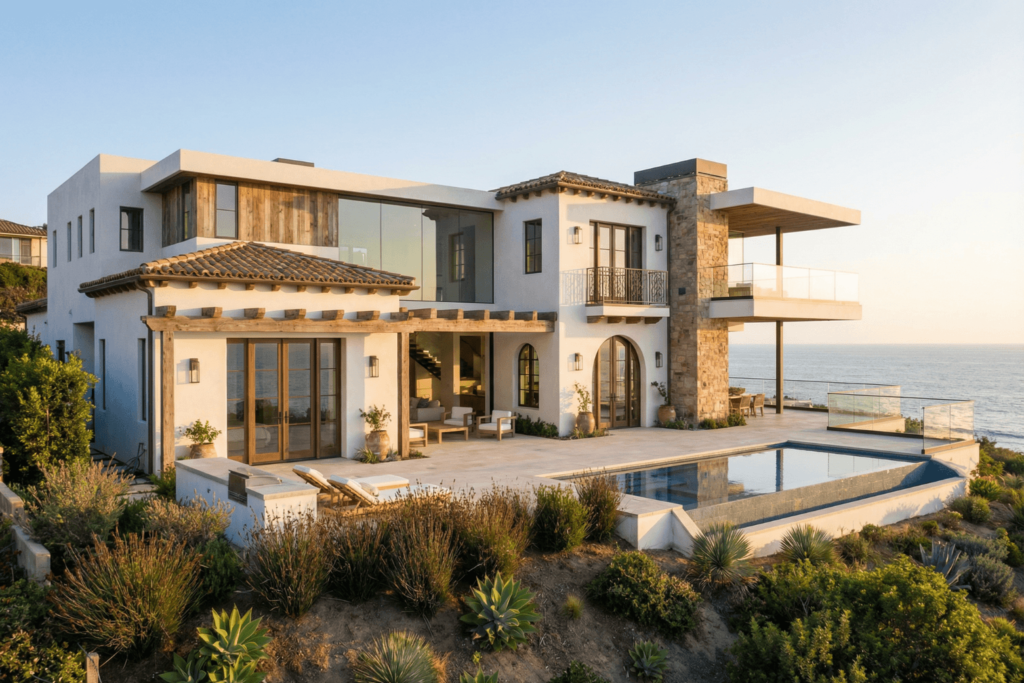
The catch: these pathways require precise, correctly formatted applications. We’ve navigated the Coastal Commission permit process many times, and we know exactly what documentation they need to approve applications efficiently.
Premium Materials and Modern Fire-Resistant Upgrades
Here’s a silver lining that’s genuinely worth knowing: rebuilding gives you the opportunity to build a safer, smarter home than the one you lost. Modern fire-resistant construction materials and techniques are genuinely impressive — and when used correctly, they can significantly reduce fire risk for the future.
California Chapter 7A Requirements
In designated High Fire Hazard Severity Zones like the Pacific Palisades, the California Building Code’s Chapter 7A mandates specific standards for:
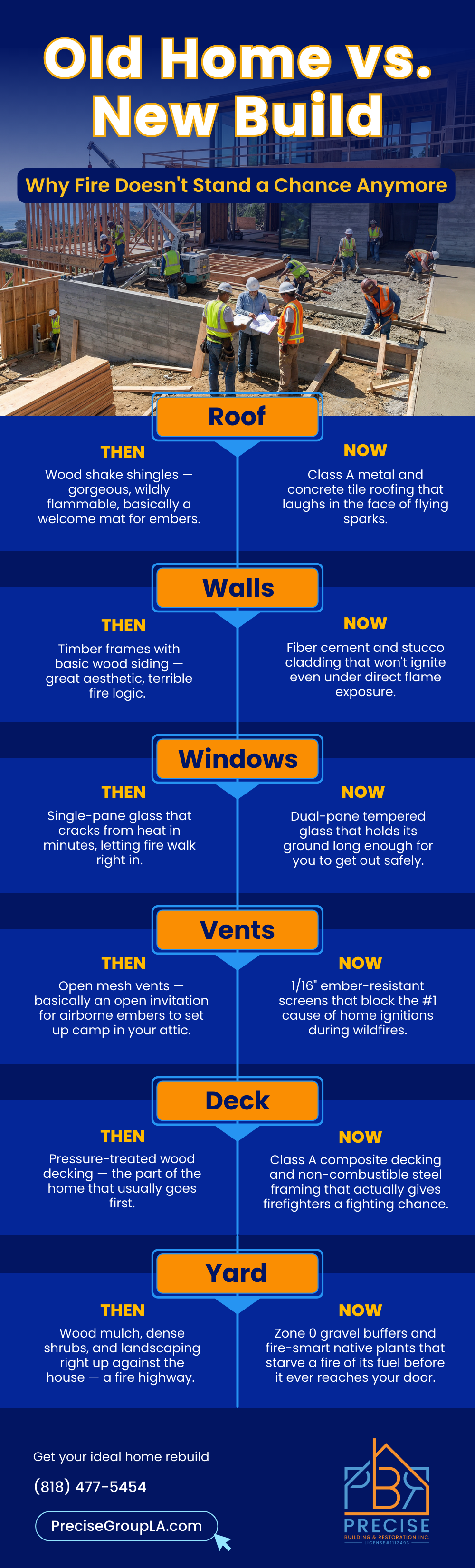
- Roofing: Class A fire-rated roofing materials only. Metal roofing, concrete tiles, and Class A-rated asphalt shingles are all compliant
- Eaves and Soffits: Must be enclosed (no open eaves) or constructed with fire-resistant materials to prevent ember intrusion
- Vents: All attic, crawlspace, and foundation vents must be ember-resistant (1/16″ mesh or smaller)
- Windows: Dual-pane windows with tempered glass are required; multi-pane assemblies with fire-resistant frames are strongly recommended
- Exterior Walls: Non-combustible or ignition-resistant materials — stucco, fiber cement, and certain engineered wood products all qualify
- Decks and Attachments: Composite decking with fire-resistant ratings or non-combustible materials
Chapter 7A Compliant Fire-Resistant Materials We Use
James Hardie fiber cement siding
A premium exterior siding solution engineered for long-term durability, fire resistance, and minimal maintenance. Made from a blend of cement, sand, and cellulose fibers, it is non-combustible and specifically designed to withstand harsh weather conditions, UV exposure, and pests. Ideal for wildfire-prone areas, it maintains its appearance for years without warping, cracking, or requiring frequent repainting.
Metal roofing systems
A top-tier roofing option with a Class A fire rating, offering exceptional protection against embers and extreme heat. Metal roofs are incredibly durable, often lasting 40–70 years, and are especially well-suited for hillside homes due to their lightweight nature and resistance to wind uplift. They also reflect solar heat, improving energy efficiency while requiring very little maintenance over time.
Stucco exterior systems
A traditional and highly effective exterior finish widely used throughout Southern California for its proven fire-resistant properties. Stucco is composed of cement, sand, and lime, creating a hard, non-combustible surface that helps slow the spread of flames. It also provides excellent insulation, noise reduction, and a timeless aesthetic that complements a wide range of architectural styles.
Andersen 100 Series or equivalent fiberglass windows
Advanced composite windows designed for superior thermal performance, durability, and fire resistance. Made with Fibrex® material, these windows resist warping, cracking, and fading even under intense sun exposure. They offer excellent insulation, helping maintain indoor comfort while also providing an added layer of protection in fire-prone environments.
Trex Transcend composite decking
A high-performance decking solution with a Class A fire rating, combining safety with upscale design. Made from a blend of recycled wood fibers and plastic, it resists fading, staining, scratching, and mold. Unlike traditional wood decking, it does not splinter or require sealing, making it a low-maintenance option that retains its beauty for years.
Concrete board sheathing
A critical layer installed behind exterior cladding to significantly enhance a building’s fire resistance. This non-combustible material acts as a protective barrier against heat and flame intrusion, improving the overall resilience of the wall assembly. It also adds structural stability and moisture resistance, making it a smart choice for high-risk fire zones.
Smart Home Fire Safety Upgrades Worth Adding
Since you’re rebuilding anyway, these additions cost far less now than retrofitting later:
- Whole-home automatic sprinkler system (now required for new construction in HFHSZ zones)
- Ember-resistant vent covers throughout
- Smart smoke and CO detection systems with cellular backup
- Exterior-rated non-combustible landscape zones (the first 0–5 feet from your home)
- Backup generator or battery storage system (for evacuation readiness)
10 Smart Upgrades to Add While You're Rebuilding Anyway
Look, nobody wants to rebuild their home from scratch. But since you’re already doing it — since the walls are coming down and the permits are being pulled and the crew is showing up Monday morning — you might as well make the most of it.
This is genuinely one of the only silver linings of a rebuild: you get to fix everything you always quietly complained about. The weird hallway. The bathroom with no natural light. The garage that somehow fit nothing. And more importantly, you get to build a home that’s safer, smarter, and more resilient than the one that stood there before.
Here are 10 upgrades that cost a fraction of what they’d cost to retrofit later — and make a massive difference.
1. Whole-Home Fire Sprinkler System
This one's actually required for new construction in High Fire Hazard Severity Zones now, so you may not have a choice. But even if it weren't mandatory — it's worth every penny. A properly installed sprinkler system can suppress a house fire in the time it takes to boil pasta. Response time is everything, and this buys you more of it.
2. Ember-Resistant Vents Throughout
Here's something most people don't know: embers are responsible for the majority of home ignitions during wildfires — not the flames themselves. They travel on wind, land in open vents, and quietly start fires inside your attic or crawlspace. Ember-resistant vents with 1/16" mesh or smaller block that entry point entirely. They're cheap to install during construction and genuinely hard to add after the fact.
3. Whole-Home Backup Battery or Generator
The Palisades fires knocked out power for weeks across large swaths of LA. A backup battery system (like a Tesla Powerwall or equivalent) or a whole-home standby generator means that when the next emergency hits, you can stay informed, stay connected, and evacuate on your own timeline — not in a panic because your phone is at 4%.
4. Smart Smoke, CO, and Air Quality Detection
Your old smoke detector beeped when you burned toast. Modern systems are a completely different league. We're talking interconnected sensors with cellular backup, real-time air quality monitoring, and alerts that go straight to your phone even when you're not home. Some systems integrate directly with local emergency services. It's not overkill — it's 2026.
5. Upgraded Electrical Panel with EV Charging Rough-In
California is moving fast on EV adoption, and electrical panels in older homes were simply not built for the demand of modern life — let alone an electric vehicle. Upgrading to a 200–400 amp panel while your walls are open costs a fraction of what it costs to do later. Add EV charging rough-in to the garage while you're at it. Future you will be very, very grateful.
6. Whole-Home Water Filtration and Softener System
Post-fire soil contamination is a real issue in the Palisades area, and municipal water quality can fluctuate after a major disaster. Installing a whole-home filtration system during construction — when the pipes are already exposed — is dramatically easier and cheaper than retrofitting it into a finished home. Plus, Los Angeles has notoriously hard water. Your skin, your appliances, and your plumbing will thank you.
7. Spray Foam Insulation
Standard batt insulation is fine. Spray foam insulation is a game-changer. It seals every gap, crack, and penetration in your building envelope simultaneously — which means better fire resistance, dramatically improved energy efficiency, and significantly better air quality inside your home. Energy bills in a well-sealed spray foam home can drop 30–50% compared to a standard build. In Southern California, that adds up fast.
8. Radiant Floor Heating
This one surprises people. Radiant floor heating — where warm water circulates through tubing beneath your flooring — is luxurious to live with and incredibly efficient to run. It heats a room evenly from the ground up rather than blasting hot air from above. And it pairs beautifully with solar or heat pump systems. The catch? It's almost impossible to add after flooring is laid. Do it now, or don't do it at all.
9. Solar Panels with Battery Storage
California has the best solar incentives in the country, and a rebuild is the perfect time to integrate panels into your roof design from the start — rather than bolting them on as an afterthought. Paired with battery storage, you get genuine energy independence: lower bills during normal times, and a functioning home during the next outage. With NEM 3.0 now in effect, the economics favor battery-paired solar significantly over panels alone.
10. Non-Combustible Hardscape Within 5 Feet of the Home
This one sounds boring. It isn't. The zone immediately surrounding your home — the first 0 to 5 feet — is called Zone 0, and fire researchers have found it's the single most important area to get right. Replace any combustible mulch, wood edging, or vegetation in this zone with gravel, stone, concrete, or pavers. It eliminates the "ladder" that lets a small ember ignite something that ignites something that ignites your house. Simple. Effective. And much easier to do during a landscaping phase than to redo later.
The bottom line? You’re already spending the money. You’re already in construction mode. These aren’t extravagant add-ons — they’re intelligent decisions that pay for themselves over time and make your rebuilt home genuinely better than what came before.
Our team will walk you through every one of these during your consultation — and yes, your first three design concepts are still free.
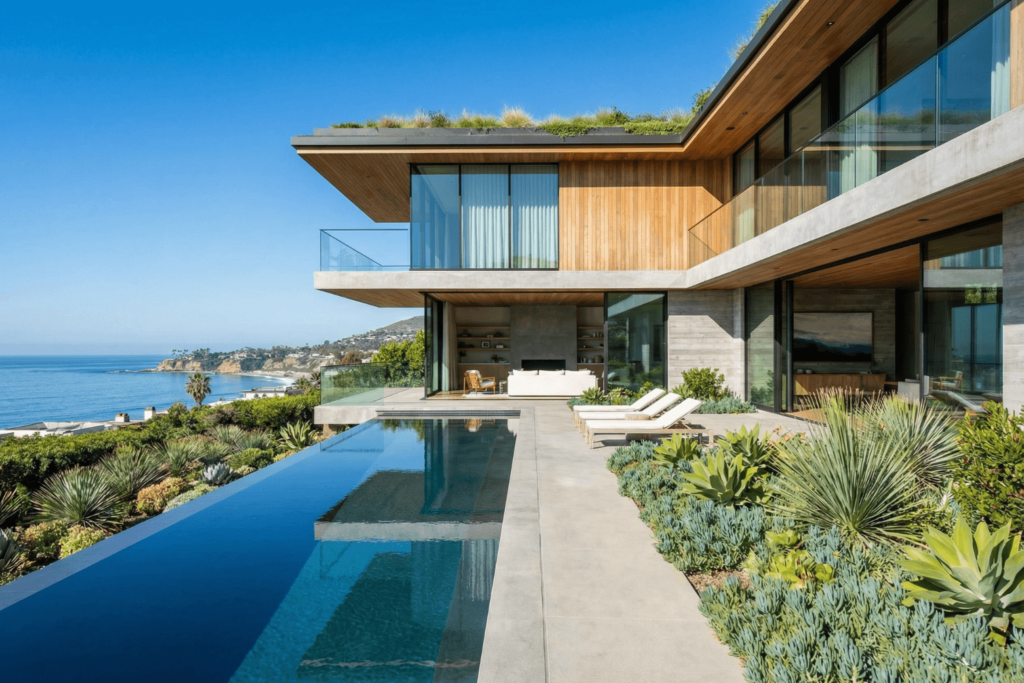
Pacific Palisades Rebuild: Reconstruction vs. New Construction — What's the Difference?
One of the first questions homeowners face after a total loss in Pacific Palisades is whether what they’re doing is technically a reconstruction of what stood before, or a new construction project from the ground up. The answer affects your permits, your timeline, your financing, and in some cases, your insurance payout.
The short version: if you’re rebuilding to the same footprint and square footage using the same lot, most jurisdictions treat it as reconstruction — which comes with certain regulatory advantages under LA’s fire rebuild ordinances. The moment you change the footprint significantly, add square footage beyond what relief ordinances allow, or trigger additional entitlements, you’re in new construction territory.
Neither path is wrong. But they’re different projects, and they need to be priced, planned, and permitted accordingly.
| Factor | Reconstruction | New Construction |
|---|---|---|
| Permit pathway | Streamlined under fire rebuild ordinances | Standard LADBS new construction process |
| Timeline | 18–28 months typical | 24–36 months typical |
| Cost per sq ft | $550–$850 (Chapter 7A compliant) | $700–$1,200+ |
| Design flexibility | Constrained by original footprint and zoning relief | Full design freedom within zoning limits |
| Insurance coverage | Generally applies directly to rebuild cost | May require gap financing for upgrades |
| Coastal Commission | Triggered by location, not project type | Triggered by location, not project type |
| Chapter 7A compliance | Required — adds ~20% to baseline cost | Required — adds ~20% to baseline cost |
| Lot requirements | Must be your existing lot | Can be any buildable lot |
| ADU opportunity | Limited by relief ordinance terms | Full ADU rights under current zoning |
The one thing both paths share: Chapter 7A fire-resistance compliance. Whether you’re reconstructing what you had or building something entirely new, if your property sits in a High Fire Hazard Severity Zone — which in Pacific Palisades, most do — you’re building to the same elevated fire-safety standard. That 20% cost premium applies regardless of which column you fall into.
If you’re not sure which category your project falls under, that’s exactly what a feasibility assessment is for. It’s the first thing we do for every Pacific Palisades rebuild inquiry — because building the wrong plan for the wrong permit pathway costs time and money you don’t have to waste.
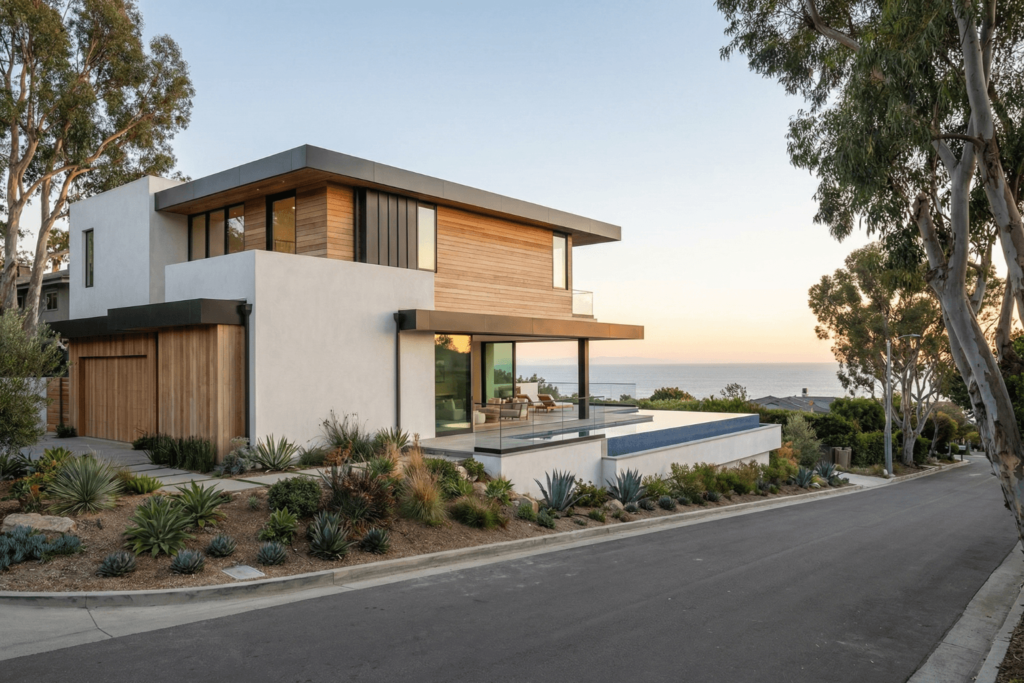
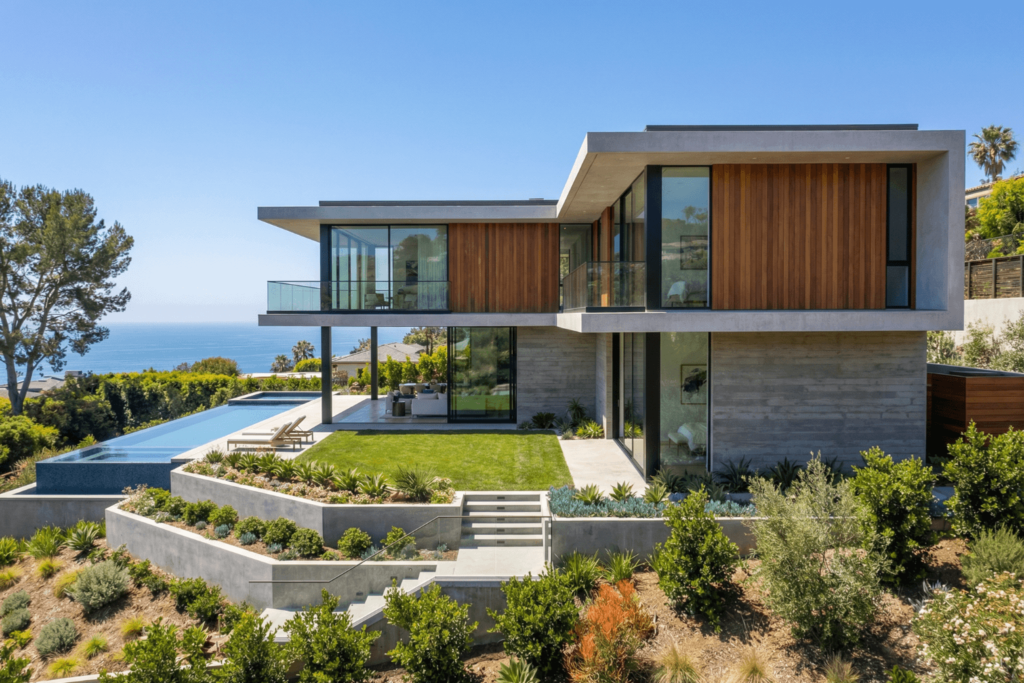
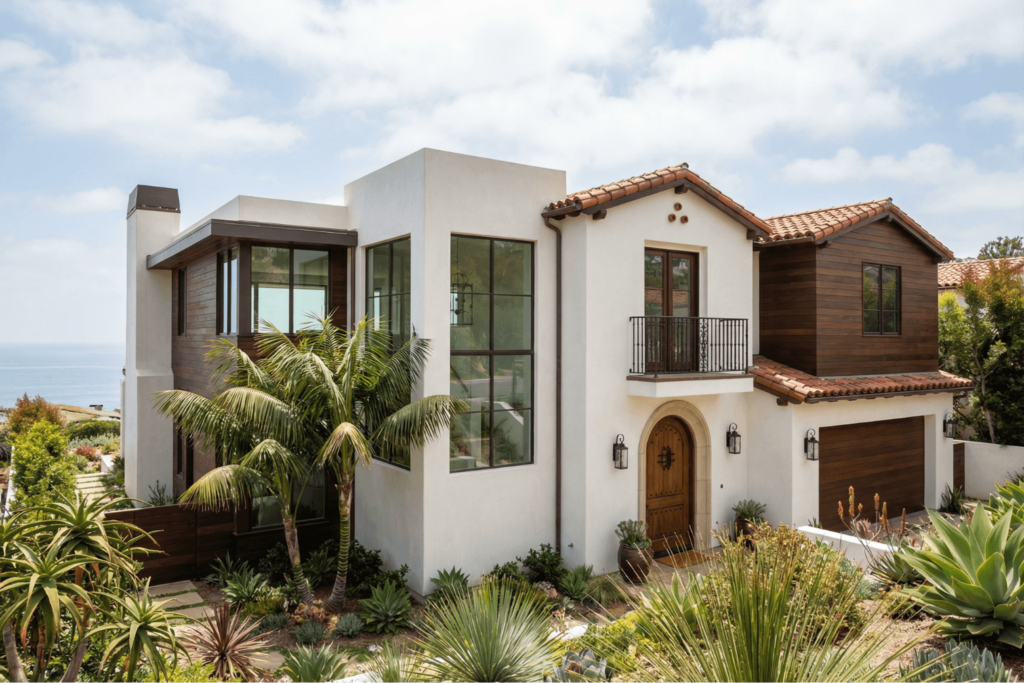
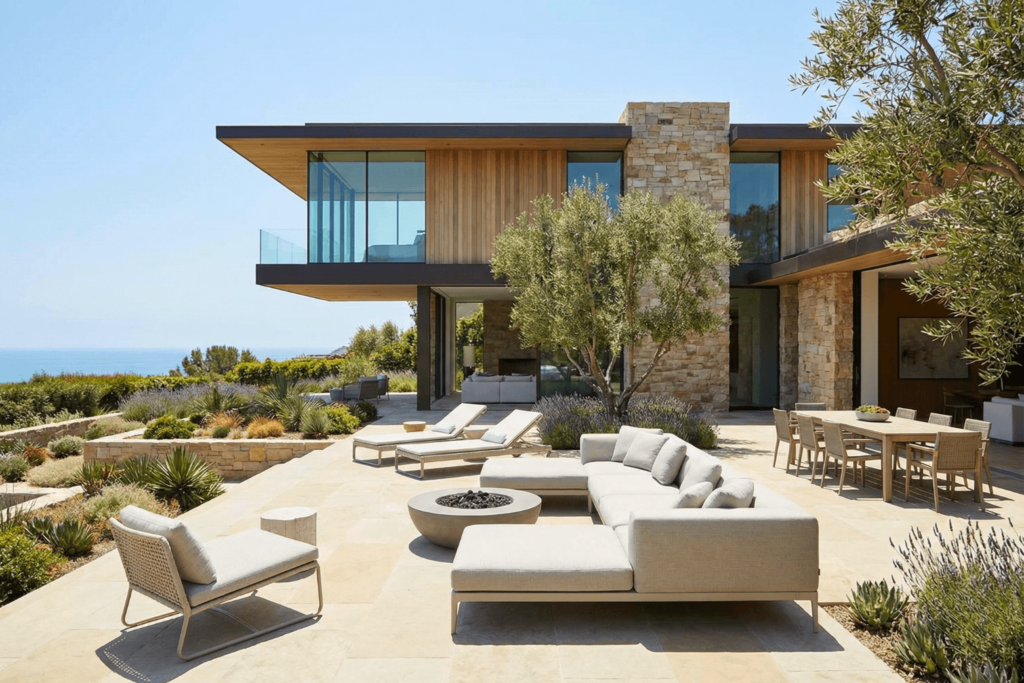
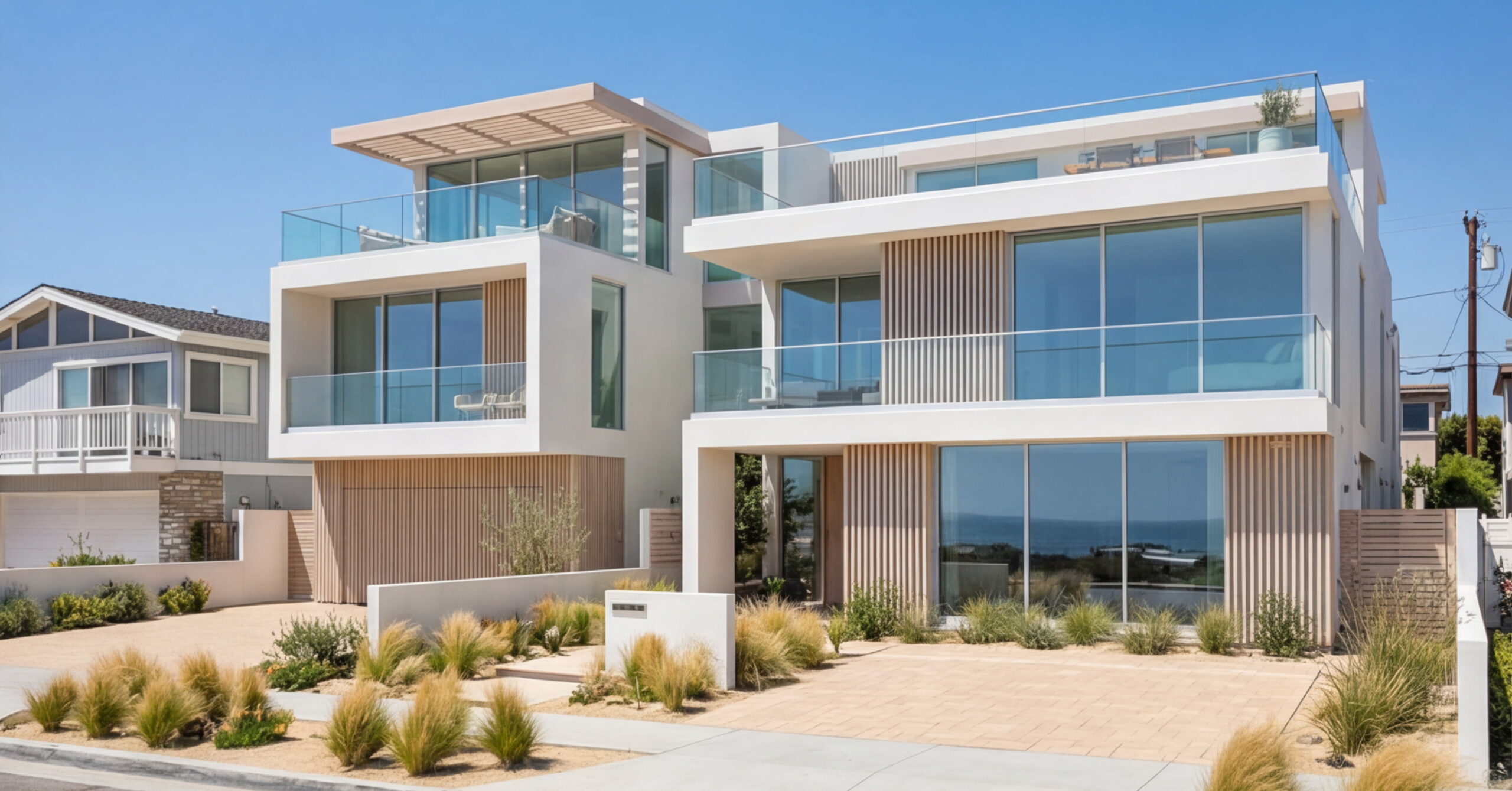
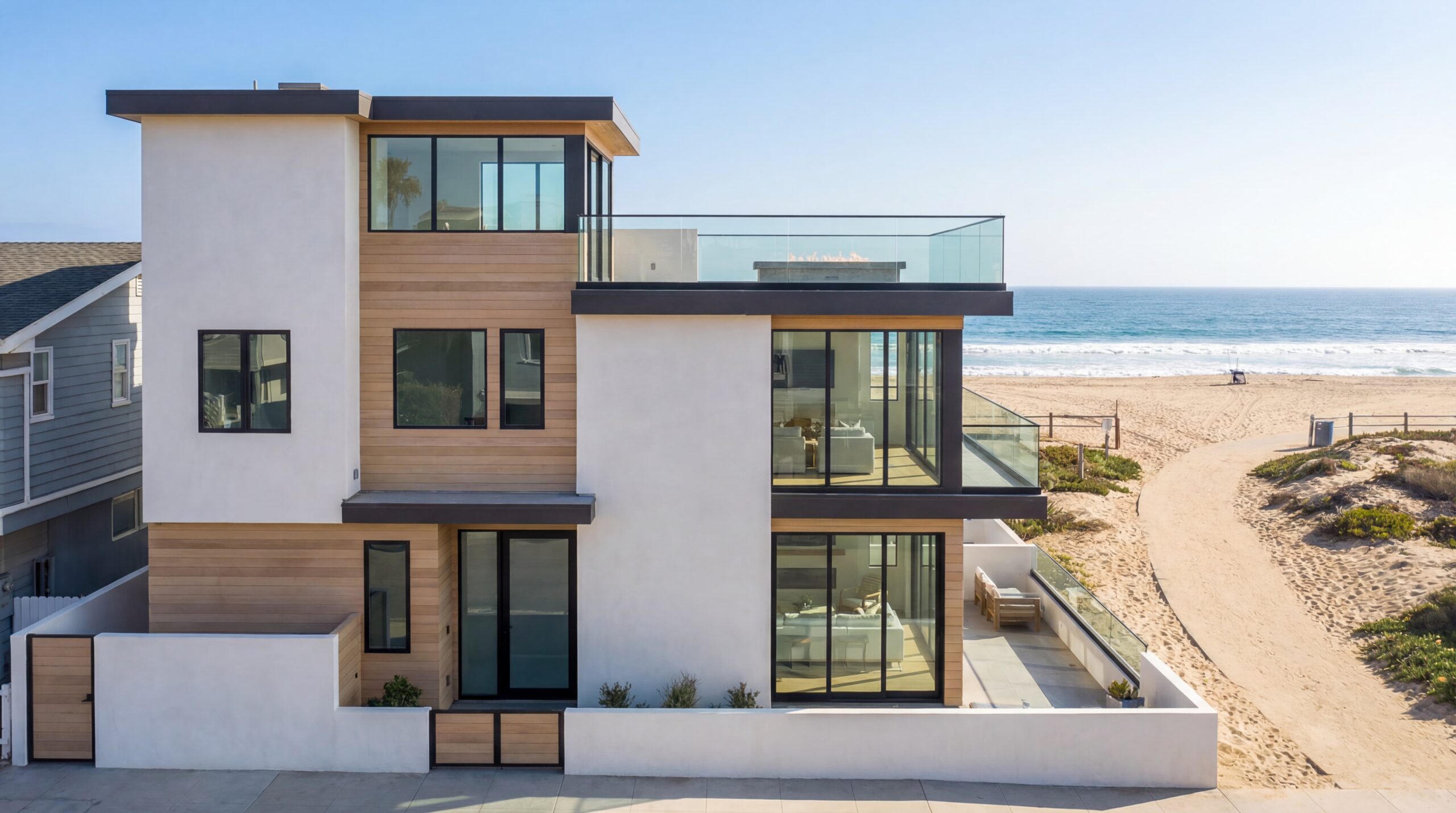
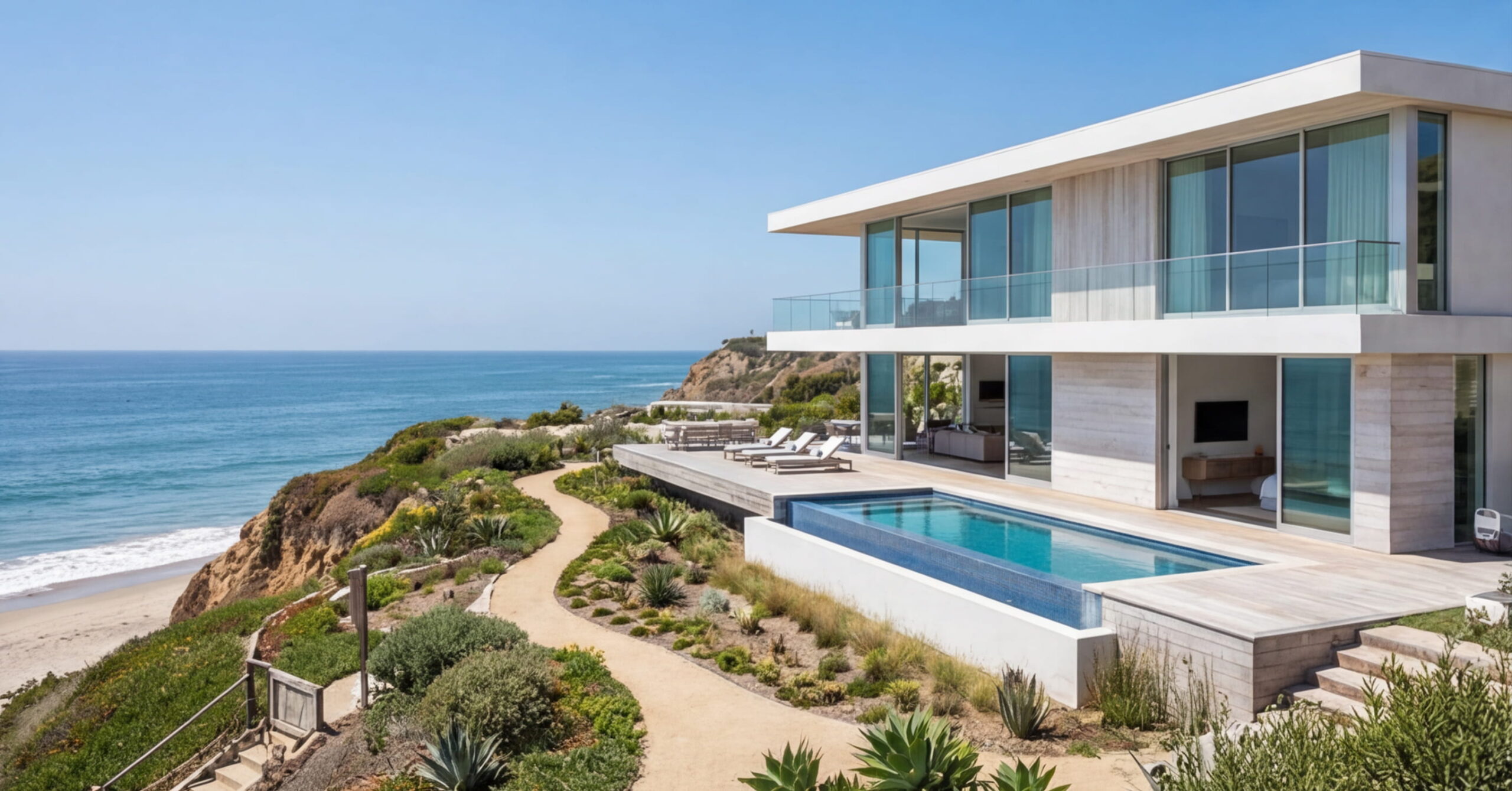
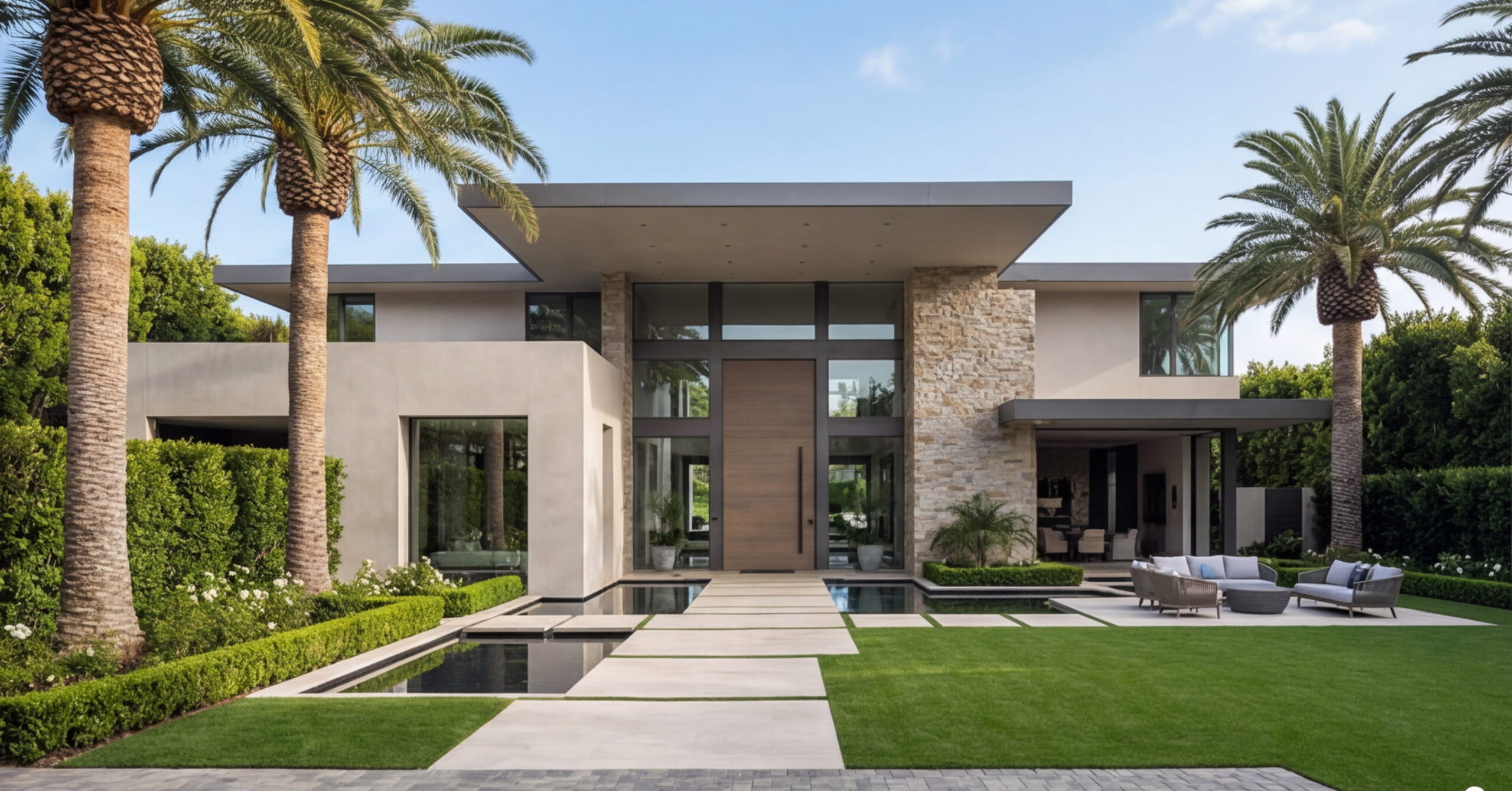
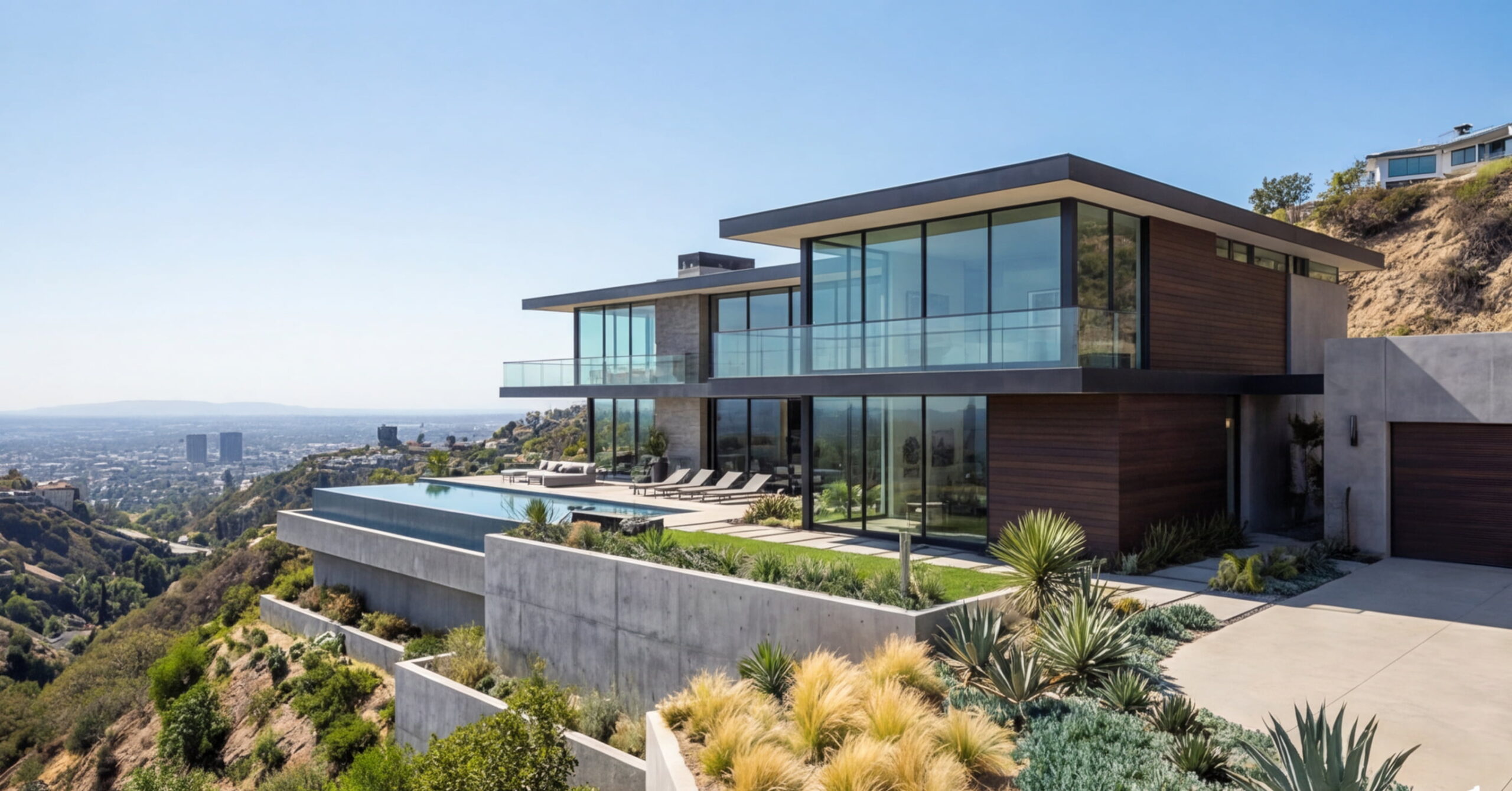
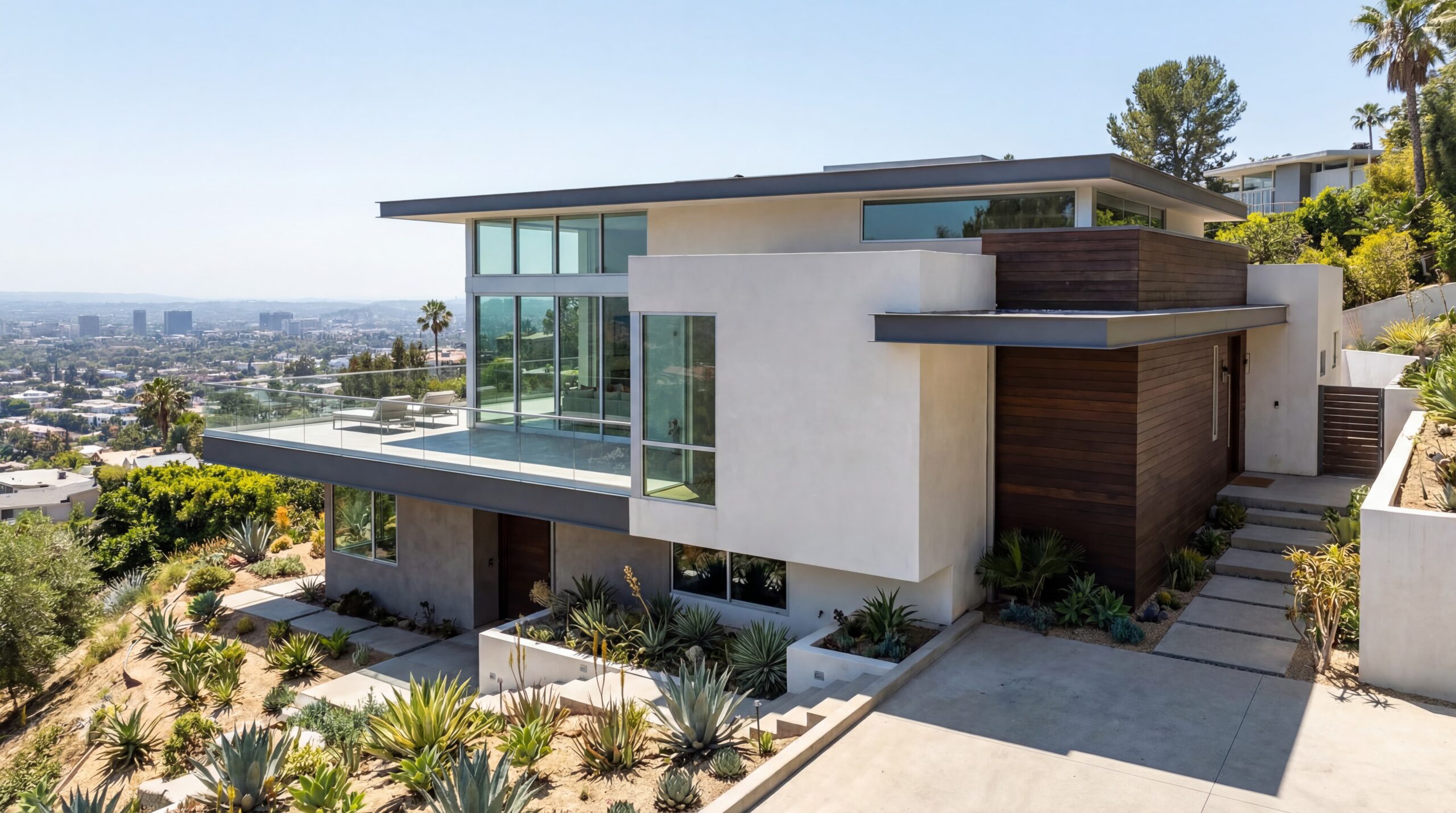
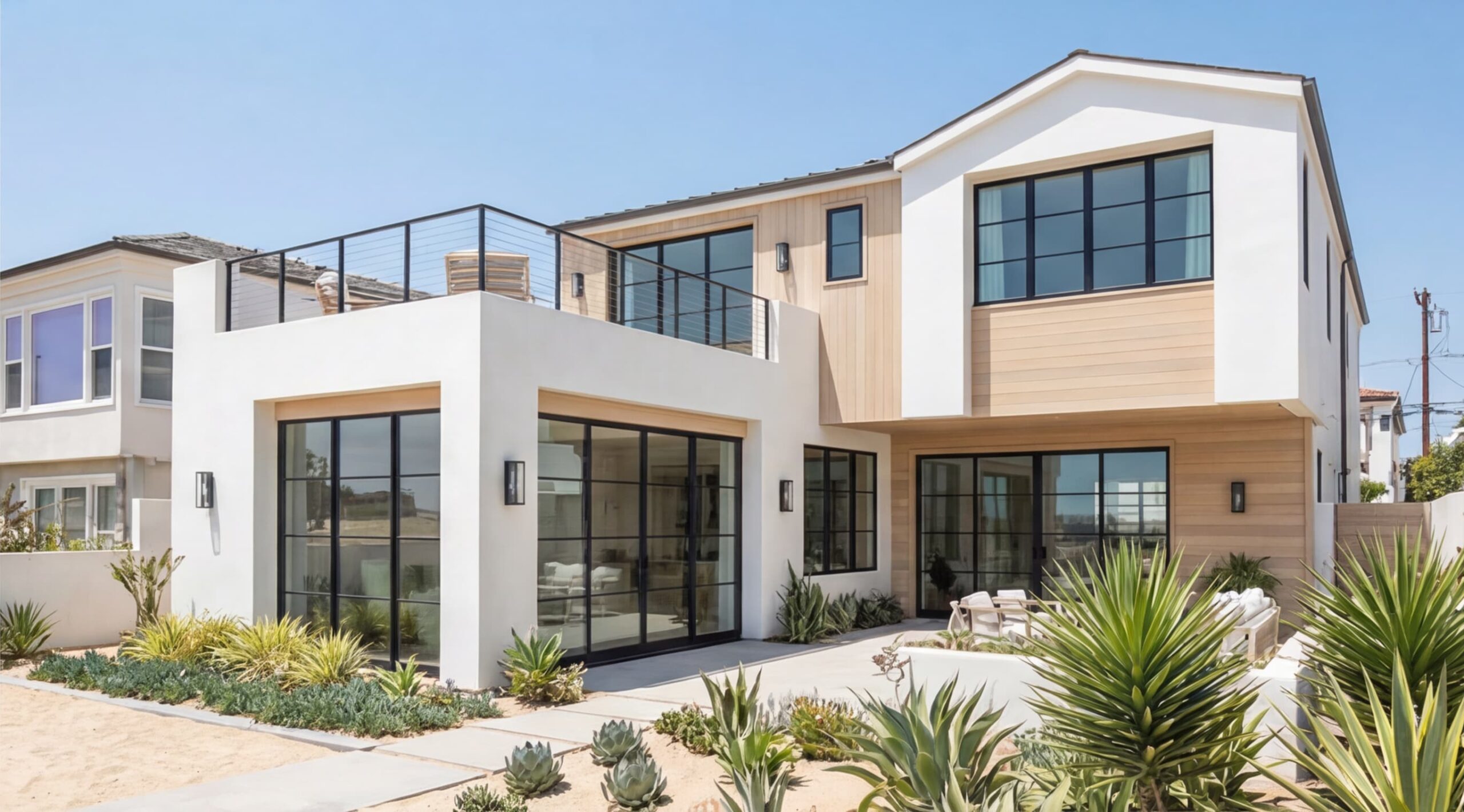
Our House Rebuild Portfolio: New Homes We've Brought to Life
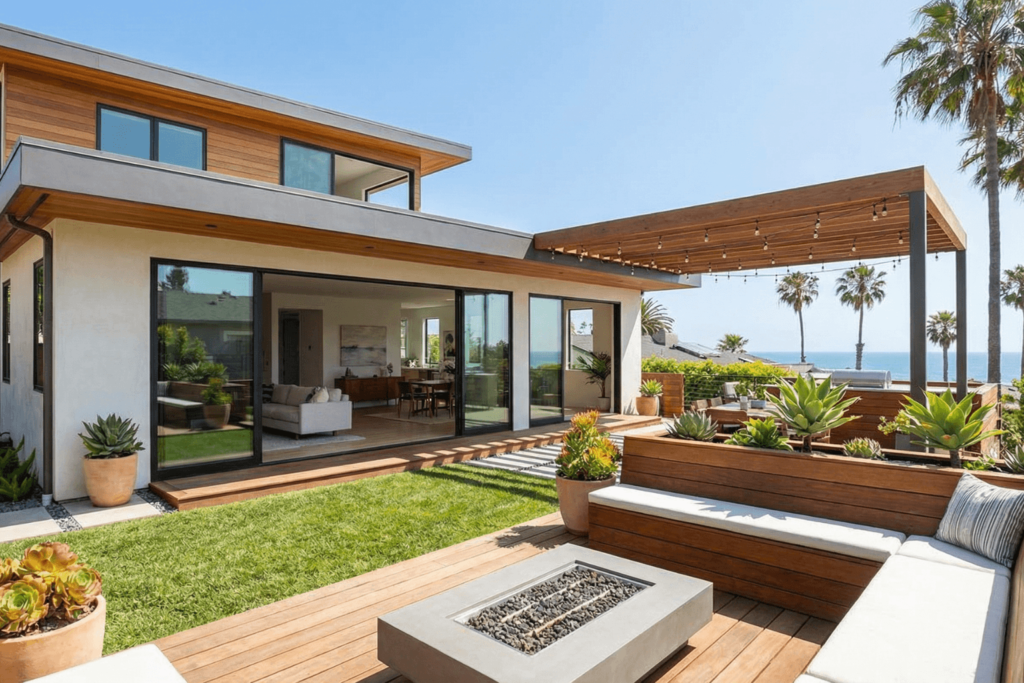
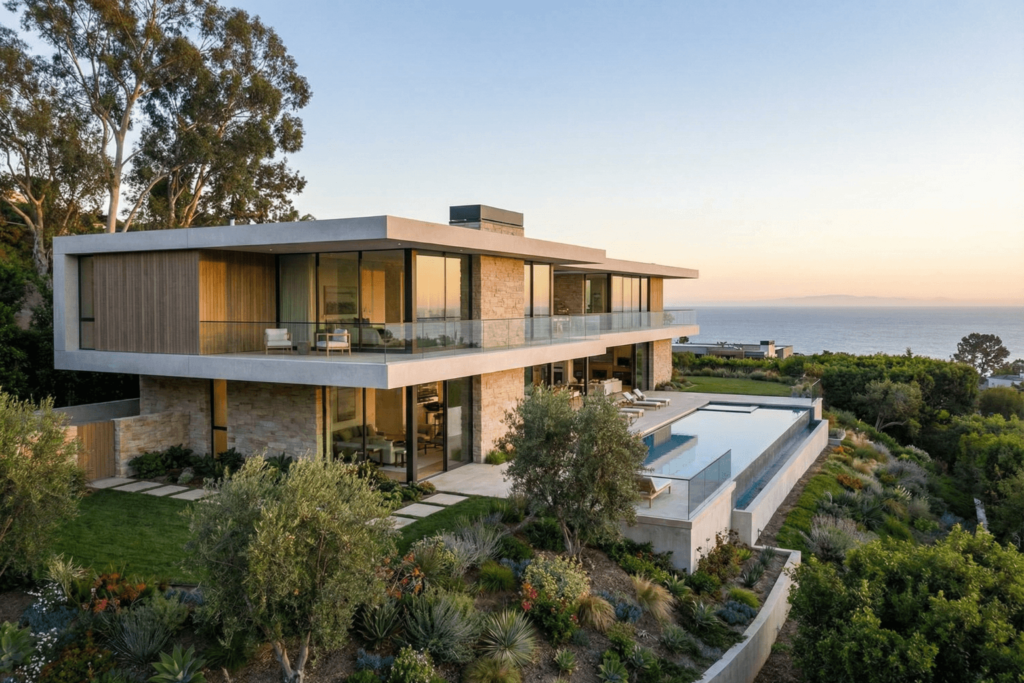
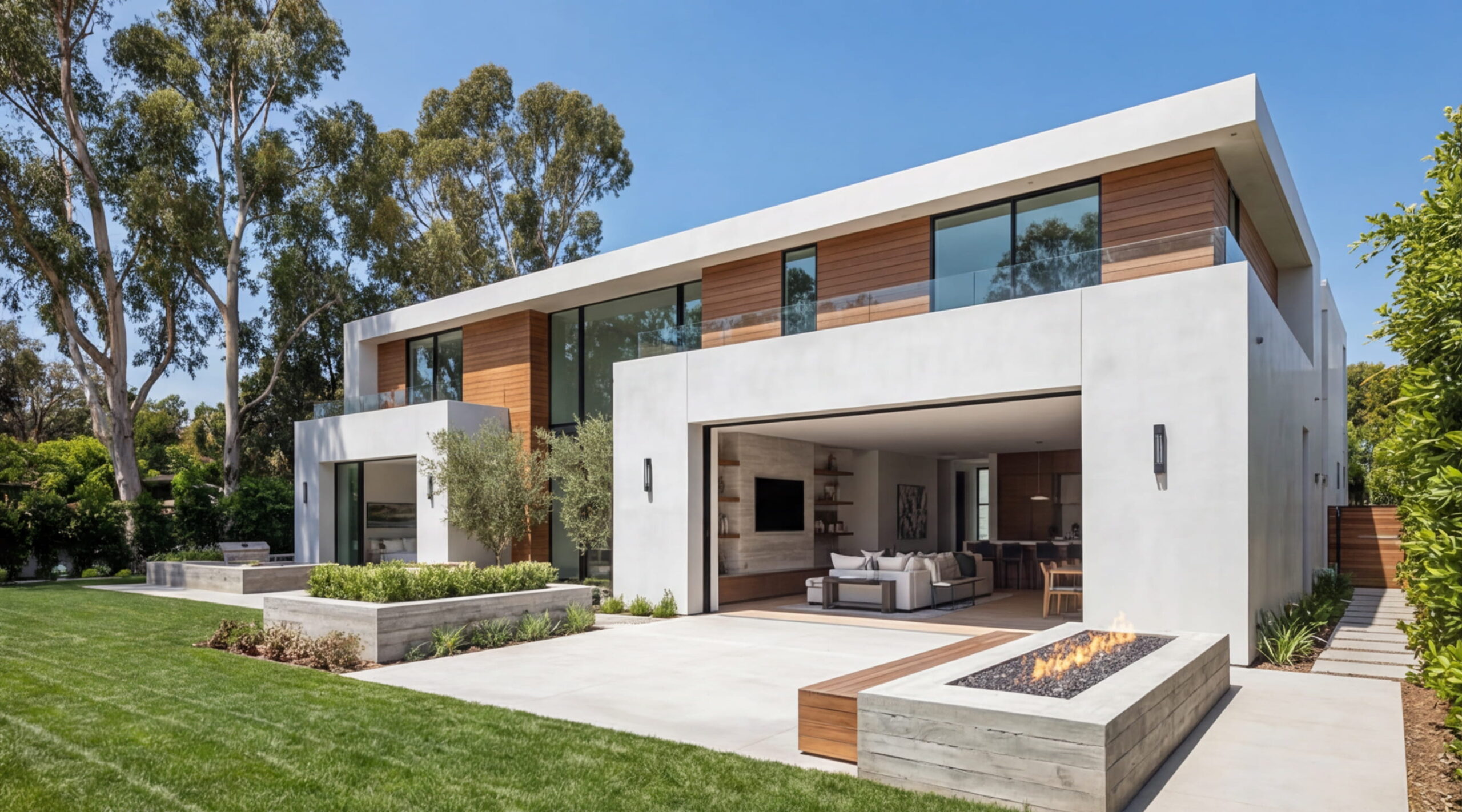
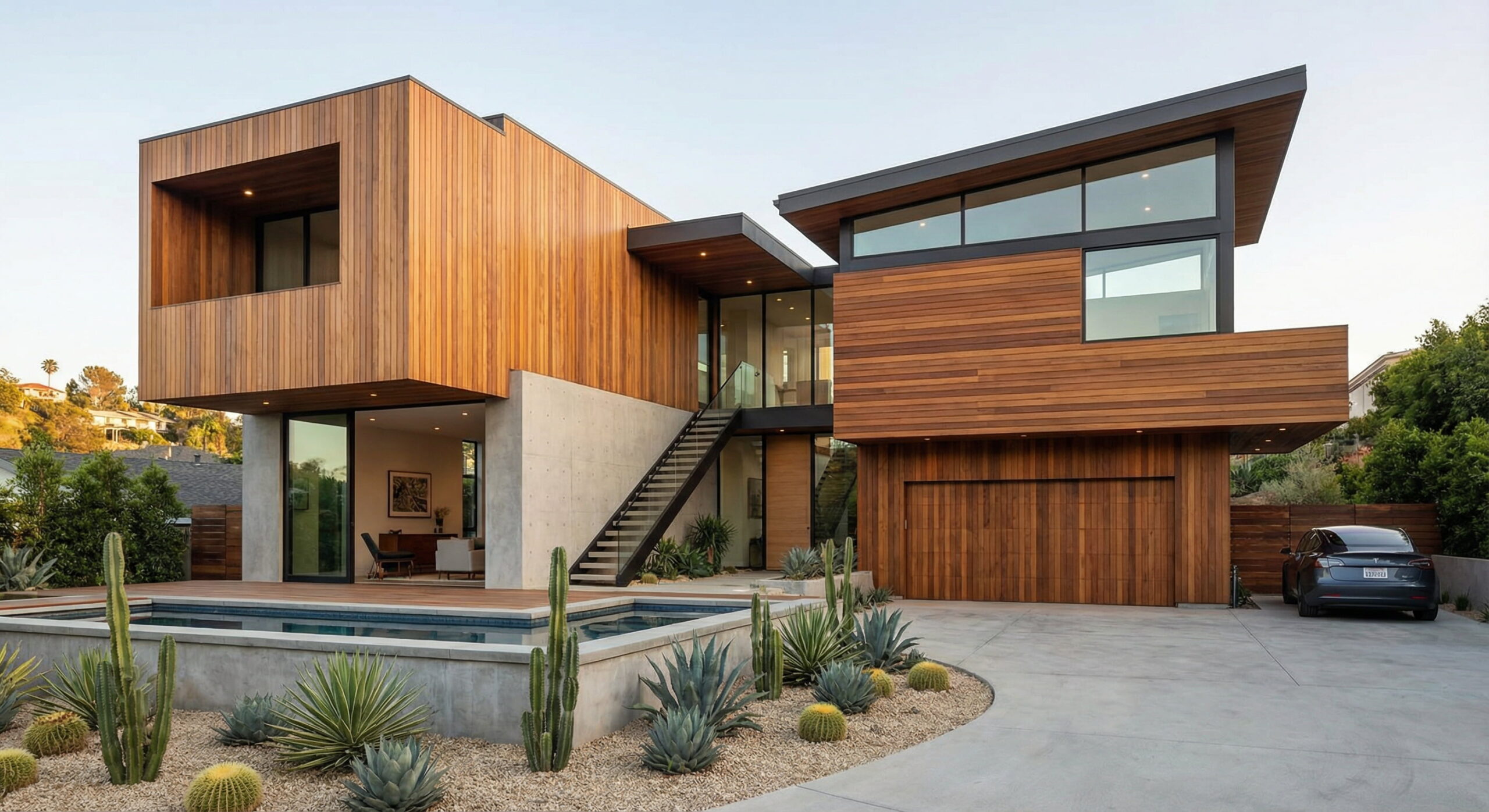
From full home rebuilds in Pacific Palisades, Malibu, and Altadena to custom new construction homes, these are real projects built for real Los Angeles homeowners. The Precise Building and Restoration team brings the same level of precision, care, and craftsmanship to every build — no matter the scale, complexity, or budget.
Ready to Start Your Palisades Fire Home Rebuild? Let's Talk.
You’ve been through enough already. You don’t need a contractor who complicates things — you need one who simplifies them.
At Precise Building and Restoration, we’ve spent 35 years building homes in Los Angeles with one belief at our core: quality is non-negotiable, and so is the trust you place in us. We’re a family-owned company, and we treat every project — and every homeowner — accordingly.
Here’s what you get when you work with us on your Palisades fire home rebuild:
- A dedicated project manager from day one
- Complete permit and coastal commission handling
- In-house licensed engineers and architects
- Your first 3 custom CAD designs — completely free
- Transparent, itemized pricing with zero hidden costs
- 35+ years of Los Angeles construction experience
- A team that shows up, communicates, and delivers
Your home is personal. Let’s rebuild it the right way.
📞 Call or text us today for your free in-home consultation.
Learn more about our bespoke bathroom remodeling in Los Angeles and kitchen remodeling services. After your rebuild add an ADU – learn about ADU contractors Los Angeles.
Frequently Asked Questions
How long does it take to rebuild a home after a fire in Pacific Palisades?
It typically takes 12 to 24 months to rebuild a home after a fire, depending on permit approval timelines, the complexity of your design, insurance settlement timing, and contractor availability. For Pacific Palisades specifically in 2026, LADBS expedited post-fire permit reviews have reduced some timelines — straightforward like-for-like rebuilds with complete applications can receive permits in 4–8 weeks. Complex designs with Coastal Commission requirements may add 3–6 additional months. The total timeline from signed contract to move-in, for a luxury custom rebuild, typically runs 18–24 months. Working with a contractor who knows the LA permit system can reduce your timeline by 3–6 months compared to contractors unfamiliar with the process.
Do I need new architectural plans for a Palisades fire home rebuild?
Yes. You will need new, fully permitted architectural and engineering drawings for any Palisades fire home rebuild — even if you are rebuilding your home at the same size, layout, and location as before. Your original plans (if they still exist in city records) may serve as a reference, but they will need to be updated to reflect current California Building Code requirements, Chapter 7A fire-resistant construction standards, SB 896 provisions where applicable, and any changes to your site conditions. Under SB 896 (signed into law in 2024), homeowners rebuilding a like-for-like structure can use certain streamlined plan review pathways, which our team utilizes to reduce your permit processing time.
Will my insurance cover the cost of bringing my older home up to current California building codes?
Yes, in most cases — but only if you have Ordinance or Law Coverage (also called Code Upgrade Coverage) in your policy. This coverage specifically pays for the additional cost of rebuilding to current building codes versus the codes in effect when your home was originally built. If your home was built before modern fire-resistant construction requirements were enacted, this coverage can be significant — potentially 10–25% of your total rebuild cost. If you don’t have this coverage, you can still negotiate with your insurer, and California law requires insurers to disclose policy limits clearly. Review your Declarations page for ‘Ordinance or Law’ language and contact your insurer for the specific sublimit. Many Palisades homeowners who thought they weren’t covered have successfully argued for code upgrade coverage with the right documentation.
How much does a Pacific Palisades home rebuild cost per square foot?
As of 2026, a luxury Pacific Palisades home rebuild typically costs between $450 and $750 per square foot for construction only — not including land, permits, debris removal, or design fees. This range reflects the high cost of construction labor in Los Angeles, the premium materials required for Chapter 7A compliance, and the complexity of hillside and coastal construction. For a 3,500 sq ft home, that translates to roughly $1.575M–$2.625M in construction costs. Several factors push costs toward the higher end: complex architectural design, ADU additions, high-end interior finishes, difficult site access, and extensive geotechnical requirements. A detailed, itemized proposal from a reputable contractor is the only accurate way to estimate your specific project.
What are the best fire-resistant building materials to use in high-risk zones?
- Class A-rated roofing — concrete tiles, metal roofing, or Class A asphalt shingles;
- Fiber cement siding — non-combustible, durable, available in many styles;
- Stucco or masonry exterior walls — traditional in Southern California and highly fire-resistant;
- Ember-resistant vents with 1/16″ mesh or smaller;
- Dual-pane tempered glass windows;
- Non-combustible composite decking.
All of these must meet California Building Code Chapter 7A requirements for new construction in HFHSZ zones. When selected together as a system, these materials significantly reduce ignition risk from radiant heat and airborne embers — the two primary ways most homes catch fire during a wildfire.
How long does it take to get permits to rebuild in Pacific Palisades?
Plan for 4–7 months minimum. Pacific Palisades sits in a High Fire Hazard Severity Zone, which means your plans go through additional fire-safety review on top of standard LADBS processing. If your lot is anywhere near the coastal bluff or triggers Coastal Commission review, add another 2–6 months on top of that. Start the design process the moment you’re ready — every week you wait is a week added to the back end.
Do Pacific Palisades homeowners need Coastal Commission approval to rebuild?
Depends on exactly where your property sits. Homes within the California Coastal Zone — which covers a meaningful chunk of the Palisades — need a Coastal Development Permit on top of standard city permits. That adds design constraints around setbacks, view corridors, and materials, plus 2–6 months to your timeline. It’s not a dealbreaker, but it’s absolutely something to confirm early. Don’t assume either way.
Can I rebuild bigger than what I had before?
Possibly. LA has introduced temporary relief ordinances specifically for fire rebuild areas that allow homeowners to rebuild to their original square footage even when current zoning would normally restrict it. Whether you can go larger depends on your lot’s FAR, setbacks, and which specific relief measures apply to your parcel. A proper feasibility assessment gives you a clear answer — guessing here is expensive.
Will my insurance actually cover what a Pacific Palisades rebuild costs today?
Most policies won’t — at least not fully. Coverage limits were typically set against older replacement cost estimates, and Palisades construction costs have climbed sharply. The gap between what your insurer pays and what a Chapter 7A-compliant rebuild actually costs can easily hit $300K–$600K or more. Pull your policy limit right now and run it against current per-square-foot costs. That number matters before anything else does.
Do I have to rebuild the same house I had?
Nope — and honestly, most people don’t want to. A rebuild is a rare chance to get the home you actually want: better layout, modern systems, indoor-outdoor flow designed for how Palisades residents actually live, energy efficiency baked in from day one. As long as your new design meets current zoning, code, and any applicable fire rebuild ordinance, you’re starting with a blank slate. Make it count.